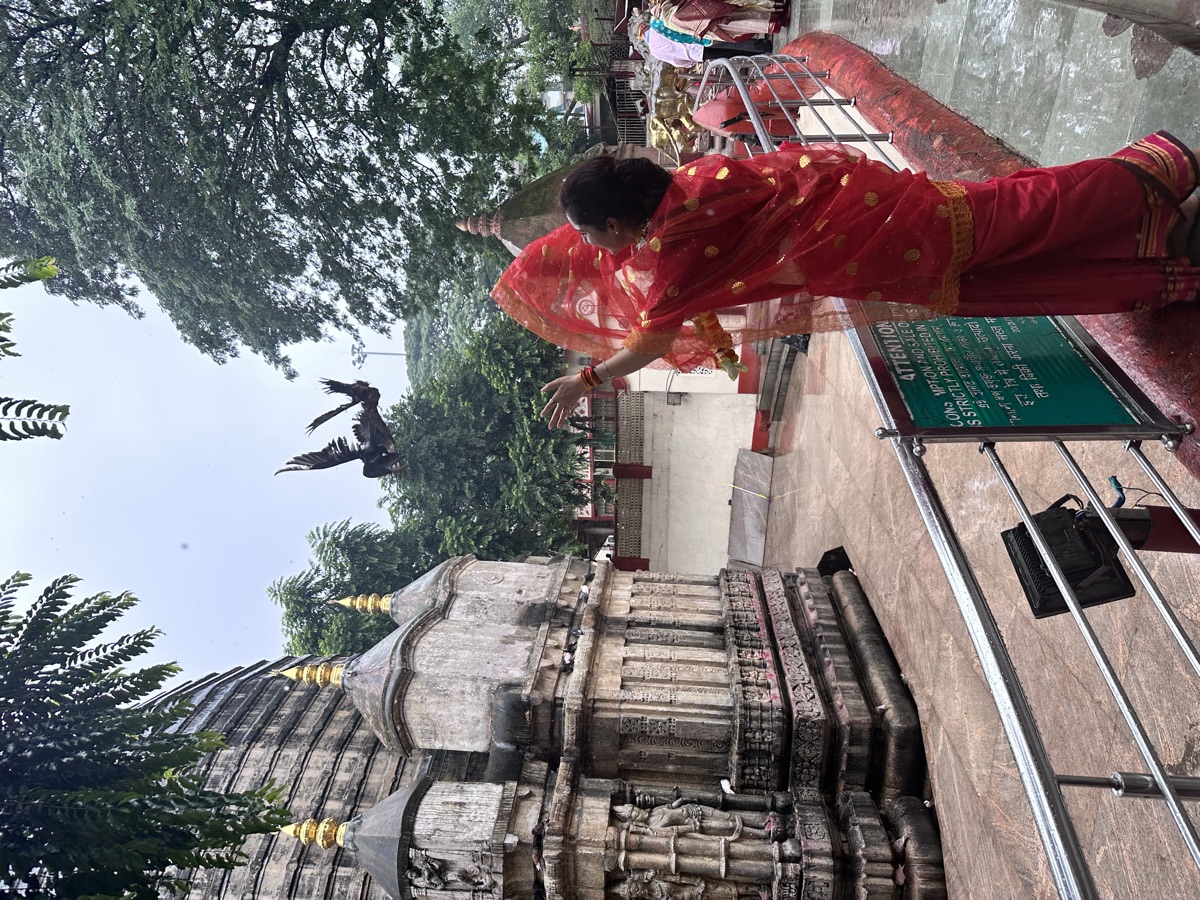
Mirror of Realization — Door to Inner Purification
Under the Guidance of Shri Himadri Sarma

Mirror of Realization

Door to Inner Purification

Kaamakhye Kaam-Sampanne Kaameshvari Hara Priye |
Kaamnaam Dehi Me Nityam Kaameshvari Namostute ||

Devotees of Maa Kāmākhyā  ·  Invite-Only Community
Welcome

A quiet, honest, and sacred space
for sincere devotees of Maa Kāmākhyā

Mirror of Realization is an invite-only community for sincere devotees of Maa Kāmākhyā, brought together under the guidance of our Guru, Shri Himadri Sarma. The name carries meaning: a mirror does not judge. It does not flatter. It simply reflects what is. This community is intended to be that mirror, a quiet, honest, and sacred space where each member can see themselves clearly and work sincerely toward inner purification.

This is not a casual group. It is a guided circle, disciplined yet compassionate, for those committed to genuine spiritual growth under the Shakta parampara. Use the navigation above to explore the community in depth.

The Five Pillars
Purity

In thought, word, and action

Humility

The willingness to remain a student always

Surrender

Releasing the ego's need to control

Prakriti

Recognising we are part of Nature, not above it

Discipline

The steady, daily commitment to one's purification

The Community

A guided circle, not a casual group

Mirror of Realization is an invite-only community for sincere devotees of Maa Kāmākhyā, brought together under the guidance of our Guru, Shri Himadri Sarma. The name itself carries meaning. A mirror does not judge. It does not flatter. It simply reflects what is. This community is intended to be that mirror, a quiet, honest, and sacred space where each member can see themselves clearly and work sincerely toward inner purification.

This is not a casual group. It is a guided circle, disciplined yet compassionate, for those who are committed to genuine spiritual growth. This community was created with a clear purpose: to bring sincere devotees together in one safe and guided space; to protect members from misinformation, fear-based practices, and exploitation in the name of spirituality; to offer authentic guidance directly from the Guru; and to help members grow in a grounded, healthy, and natural way.


The Guru
Shri Himadri Sarma
Under whose guidance this community exists

Shri Himadri Sarma

Everything in Mirror of Realization depends on one relationship: the living bond between Guruji and each sincere seeker in his care. The Guru-Shishya relationship is not a customer-service interaction. It is not a membership. It is a sacred bond of transmission, the most ancient and effective mechanism for spiritual growth that the tradition has produced.

Shri Himadri Sarma is connected to the lineage of Kāmākhyā Pīṭha, one of the most powerful Shakti Pīthas on earth and the supreme seat of the Kaula Tantra tradition. To practice under the guidance of a Guru connected to this lineage, at this Pīṭha, in this age, is a rare and precious gift.

All primary content, guidance, and teachings in this community come directly from Guruji. There is no intermediary, no second-hand interpretation, no self-appointed teacher. When guidance is given, it comes from its proper source.


Community Purpose

What this space is designed to offer

Authentic Guidance
All guidance comes directly from Guruji, Shri Himadri Sarma. There is no intermediary, no second-hand interpretation, no self-appointed teacher. When guidance is given, it comes from its proper source.
Inner Strength
Life brings confusion, difficulty, and emotional turbulence. This community is a space to find steadiness, to build the kind of inner strength that does not depend on external circumstances.
A Space to Ask
Members are welcome to bring questions, share personal experiences, and seek clarity on their path, in a spirit of openness and without fear of judgment.
Genuine Help
If you are facing a real challenge, whether spiritual, personal, or emotional, this space offers help grounded in wisdom and compassion, free from fear-mongering or sensationalism.
Protection
Fake remedies, misleading advice, and those who seek personal gain in the name of spirituality are a real danger. This community actively guards its members against such influences.
Self-Responsibility
The focus is always on inner work: reflection, discipline, and taking responsibility for one's own growth. There are no shortcuts, no guarantees, and no magic solutions.

The Living Tradition

Shaktism, Tantra Mārga, and the Call of Kaliyuga

To understand why Mirror of Realization exists in its particular form, it is necessary to understand the tradition it serves and the age in which we live.

What Is Shaktism?

Shaktism is one of the four principal traditions of Sanātana Dharma, alongside Vaishnavism, Shaivism, and the Smarta traditions. At its heart, Shaktism is the recognition that the ultimate reality, the ground of all being, is not abstract, distant, or neuter, but alive, dynamic, and feminine in its essential nature.

The Sanskrit word Shakti means power, energy, and capacity. In Shaktism, this Shakti is not merely an attribute of a deity. She is the deity. She is Brahman itself, understood as the living pulse of the universe, the force that creates, sustains, dissolves, and recreates all of existence. Without Shakti, there is no manifestation. Without Her, even Shiva, the pure consciousness, remains inert.

This tradition venerates the Divine Mother in Her many aspects: as Durgā, the fierce protector; as Lakṣmī, the bestower of abundance; as Sarasvatī, the source of wisdom; as Kālī, the liberating darkness that destroys illusion; and as Kāmākhyā, the supreme Goddess of desire, creation, and tantric initiation. These are not different goddesses. They are facets of one infinite Śakti, the same Maa, revealing Herself according to the need of the moment and the readiness of the seeker.

The philosophical foundation of Shaktism rests on a profound insight: the world is not an obstacle to liberation. It is Her body. Nature, Prakriti, is not something to be escaped or transcended. It is something to be understood, honoured, and entered deeply, until one recognises it as the living garment of the Divine herself.

"The world is not an obstacle to liberation. Your own mind is."

Tantra Mārga: The Path of Integration

Shaktism is inseparable from the Tantra Mārga, the tantric path. The word Tantra comes from the Sanskrit roots tan (to expand) and tra (to protect or liberate). Tantra is the science of expanding consciousness while remaining rooted in the lived experience of embodied life.

The Vedic path is often characterised by renunciation, the turning away from the world as a prerequisite for spiritual advancement. The Tantra Mārga takes a fundamentally different approach. Rather than rejecting the world, the senses, the body, or even desire, it asks: what if we could transform these very things into instruments of liberation?

Tantra does not say that desire is wrong. It says that desire, properly understood and properly directed, is the very energy of Shakti moving within you. Maa Kāmākhyā herself presides over this principle. She is the Goddess of desire, but Her desire is not merely sensory. It is cosmic. It is the desire of the universe to know itself, to create, to become.

The tantric path trains the seeker in a graduated series of practices: mantra, yantra, nyāsa, dhyāna, pūjā, and the deeper initiatic practices received from a qualified Guru, not to inflate the ego, but to dissolve it. Step by step, the practitioner comes to recognise that the very life force moving through them is Shakti herself. The aim is not to escape existence. The aim is to be so fully present within existence that one directly perceives the Goddess at every turn.

Why the Tantra Mārga Is the Path for Kaliyuga

We live in the Kali Yuga, the fourth and final age in the cosmic cycle described in the Purāṇas. This is the age of darkness, discord, and spiritual forgetfulness. The foundations of Dharma are weakened. Collective consciousness is dominated by materialism, selfishness, and the relentless hunger of the ego. Confusion is the norm. Fear and exploitation masquerade as spirituality.

And yet, paradoxically, the tradition tells us that Kali Yuga is not merely a time of degradation. It is also a time of unique spiritual possibility. The Mahānirvāṇa Tantra and the Kulārṇava Tantra both explicitly state that in the Kali age, the Kaula and Tantric paths are supreme, kalau mahāphalam, bearing great fruit in this age. The Devi Bhāgavata Purāṇa similarly affirms that in Kali Yuga, the worship of the Devi is the sovereign means to moksha.

The Tantra Mārga is especially suited to this age because it works with the nature of Kali Yuga, not against it. In an age dominated by rājasic and tāmasic qualities, activity, passion, confusion, darkness, the Shakta path harnesses these very energies and redirects them toward liberation. Fire can burn down a house or cook a meal. Tantra teaches the seeker to cook. Unlike paths that demand withdrawal from ordinary life, this path can be walked by a householder, a working person, a family member. It does not ask you to leave your life. It asks you to transform it.

Maa Kāmākhyā: The Supreme Seat of Shakti

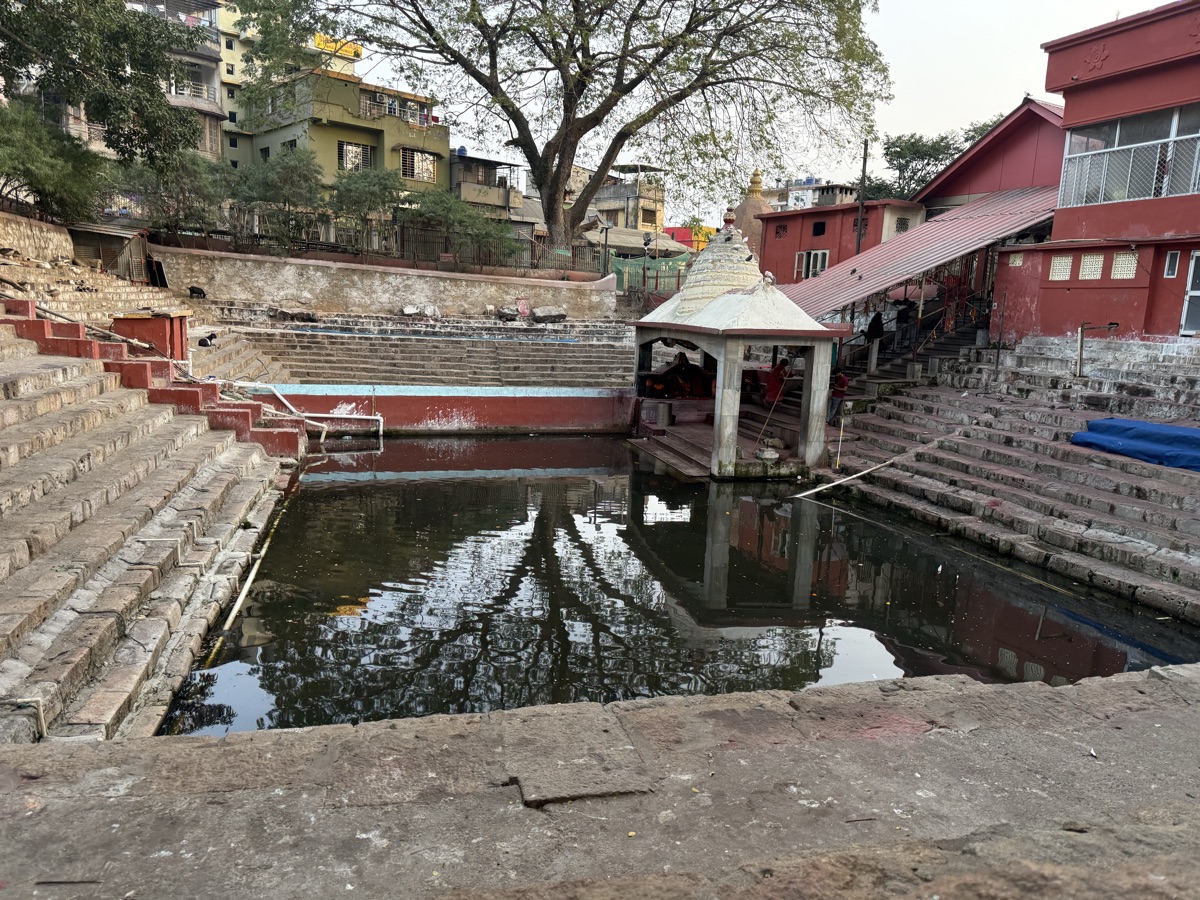
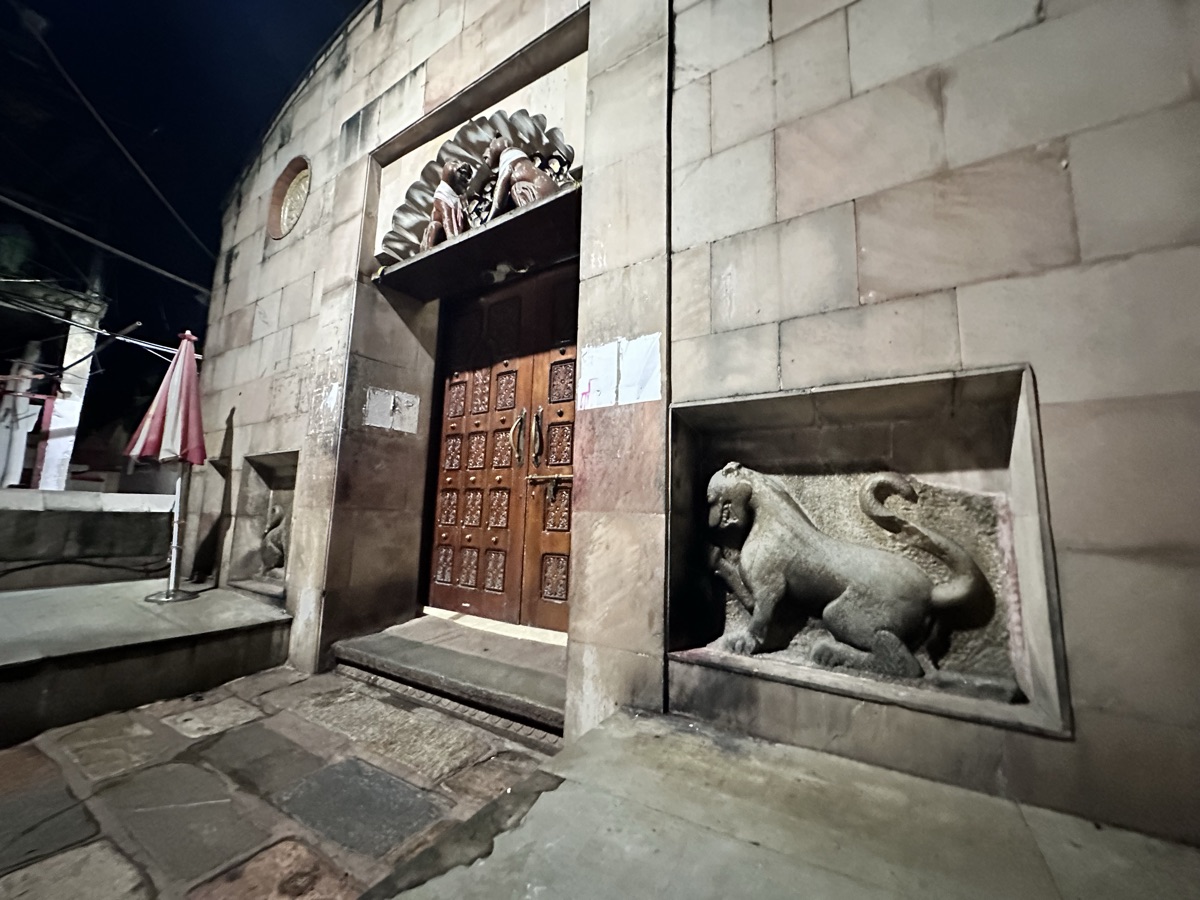
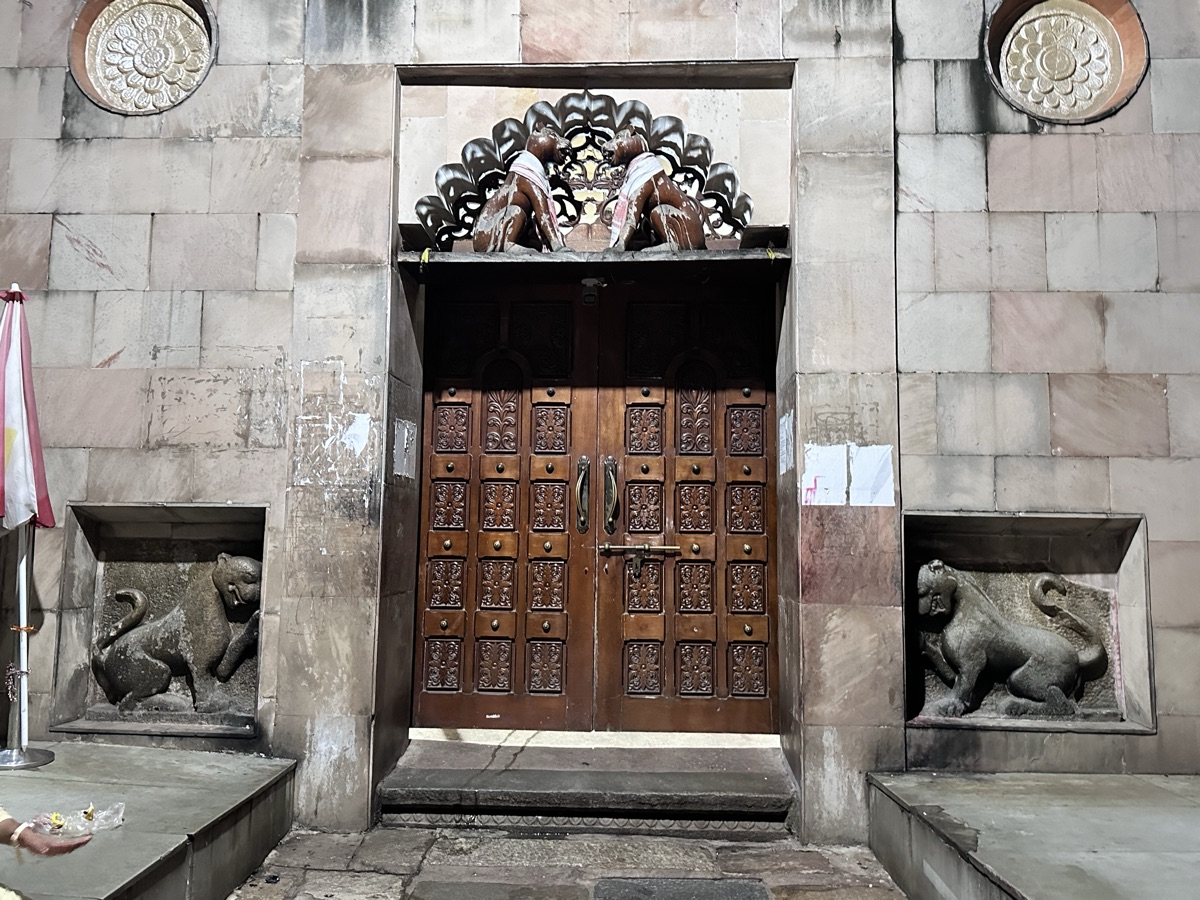
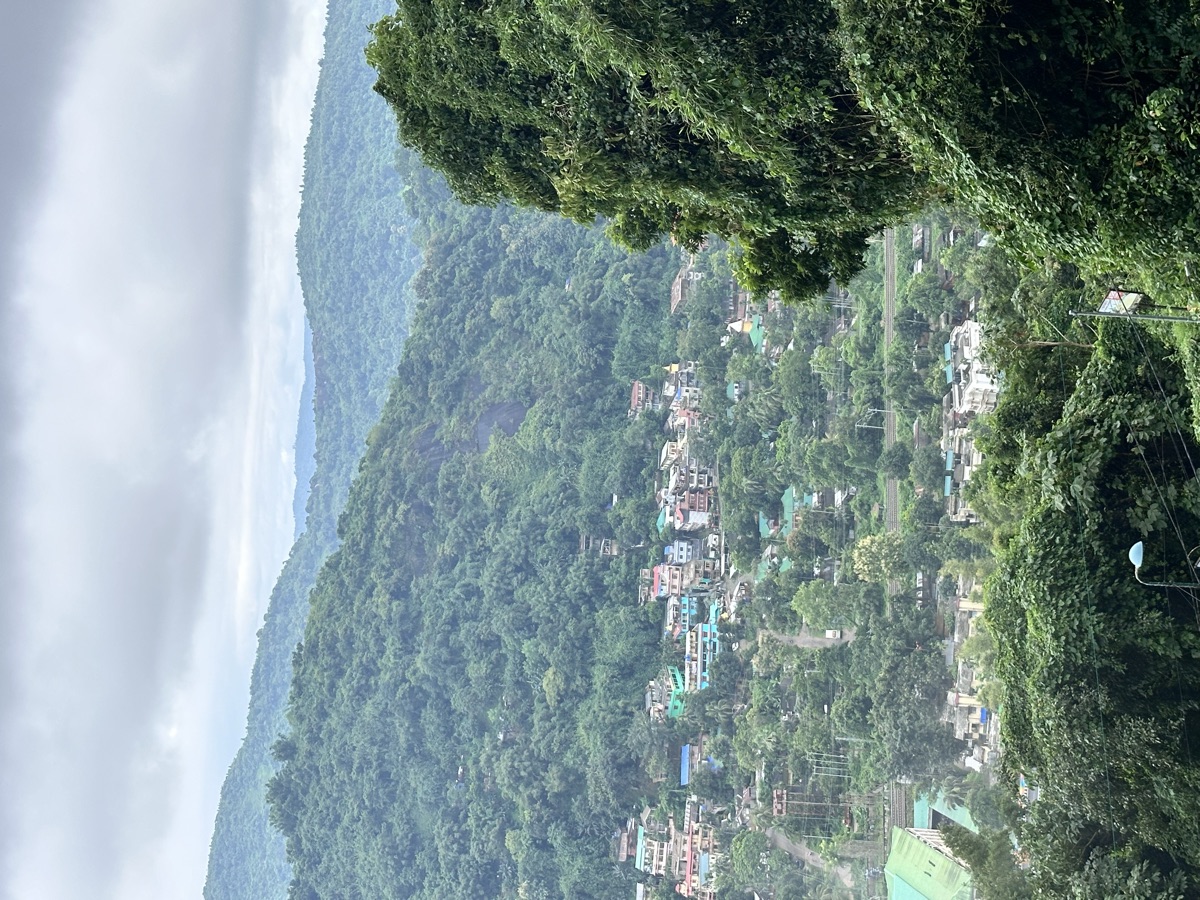
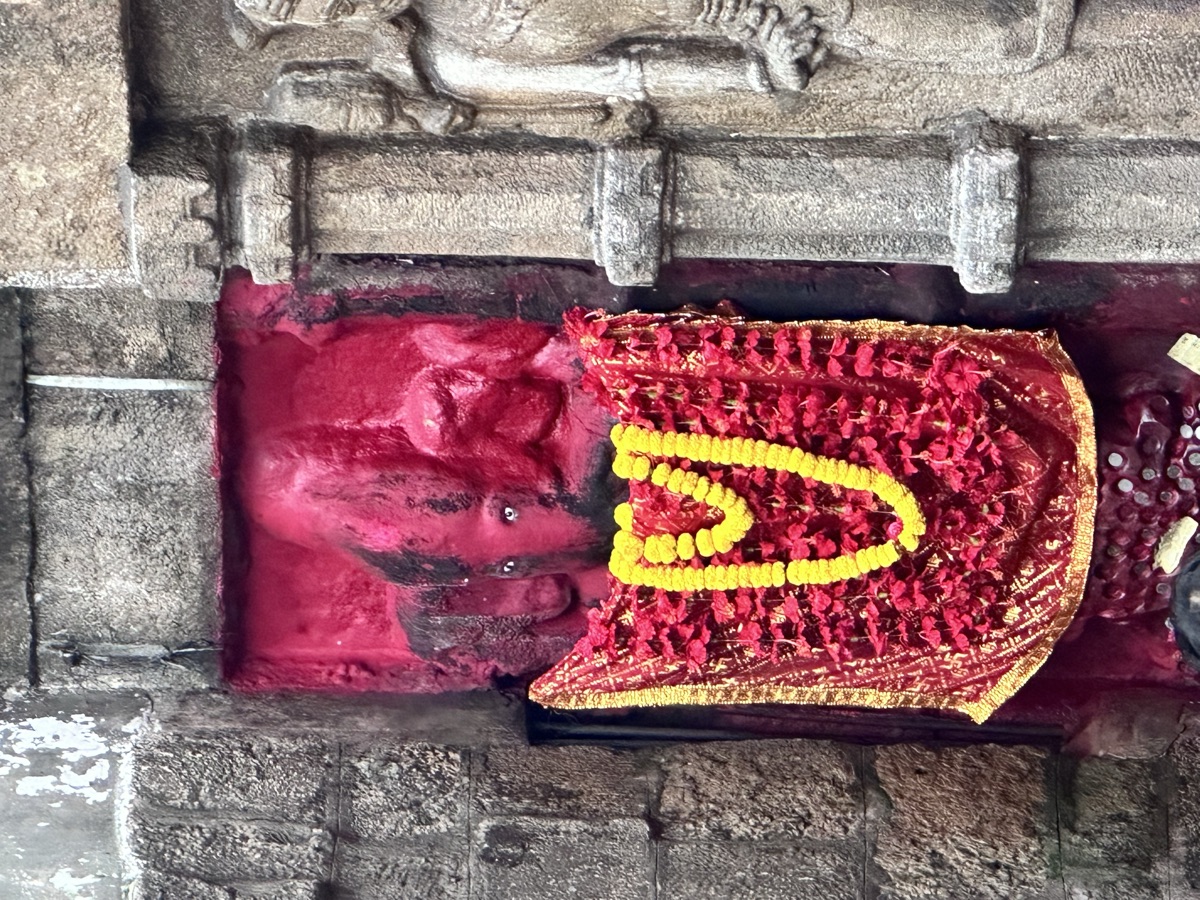
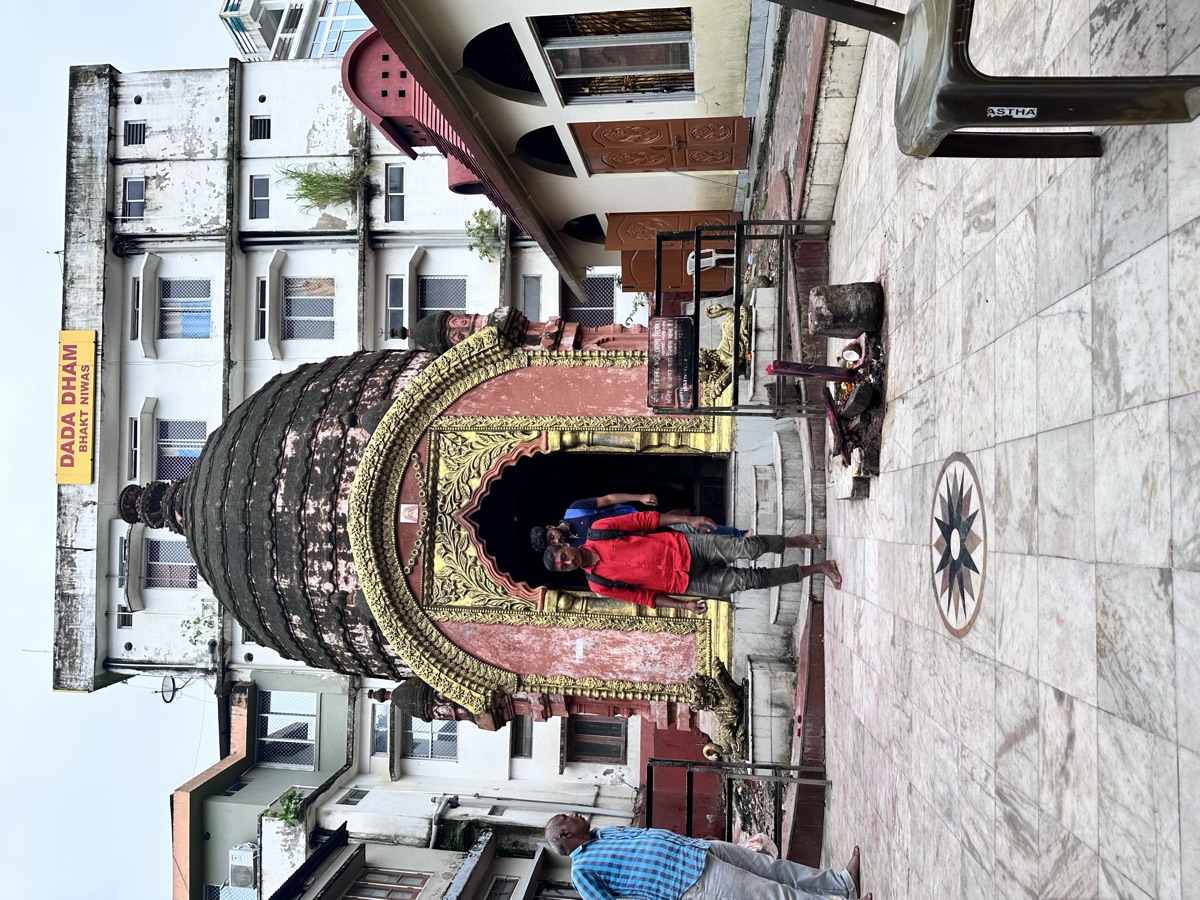
Mirror of Realization is rooted in devotion centred on Maa Kāmākhyā, the supreme Goddess of the Kāmākhyā Pīṭha in Guwahati, Assam. Kāmākhyā is considered one of the eighteen Mahā Shakti Pīthas and the supreme seat of the Kaula Tantra tradition. She presides over creation, desire, liberation, and the entire tantric universe.

Her name, Kāmākhyā, means She who is known by desire, or She who fulfils all desires. But this is not the desire of the small ego seeking pleasure. This is the cosmic desire that underlies all of manifestation, the Goddess's own longing to create, to experience herself through her children, and ultimately to bring them home to herself.

Maa Kāmākhyā is especially accessible and gracious in this age. As the presiding tantric Goddess of the Kāmākhyā Pīṭha, Her grace flows with particular abundance in Kali Yuga for those who approach with sincerity, humility, and surrender. To practice under the guidance of a Guru connected to this lineage, at this Pīṭha, in this age, is a rare and precious gift. It is the purpose of Mirror of Realization to honour that gift with seriousness, humility, and genuine inner work.
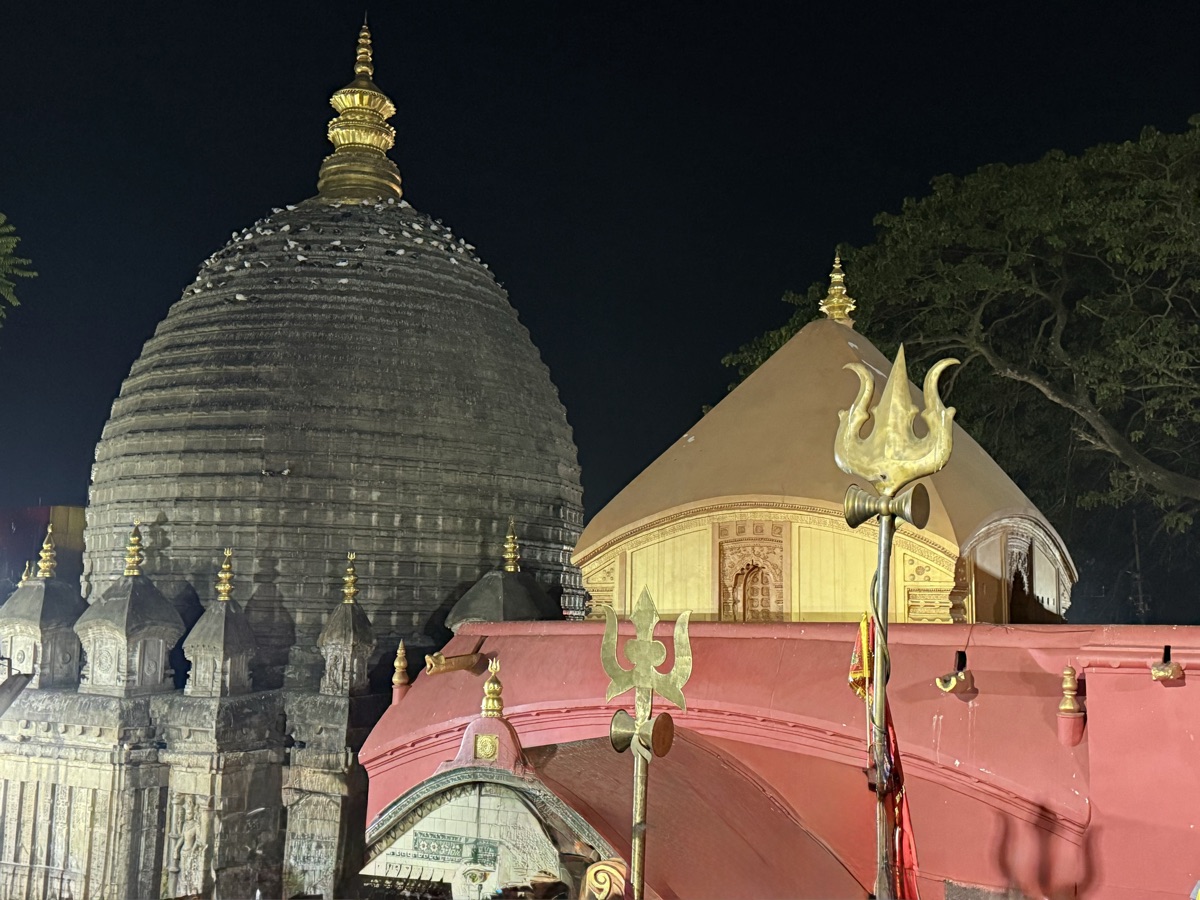
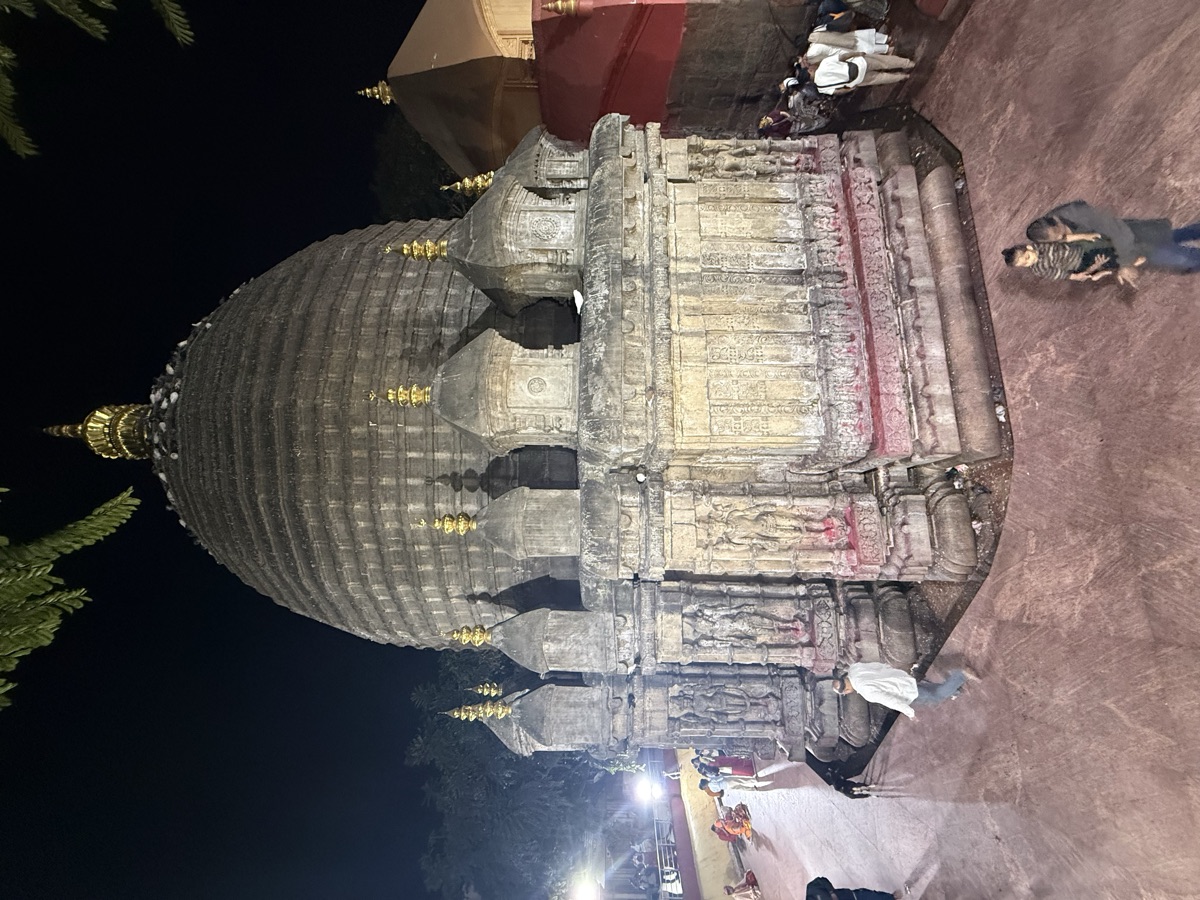
A reference library of sacred texts from the Shakta tradition. Each entry includes the original Sanskrit, standard IAST transliteration, and source citation. Please verify all texts with Guruji against a printed edition before incorporating them into formal sādhana.

Navarna Mantra (Navākṣarī)

Source: Devī Māhātmya (Mārkaṇḍeya Purāṇa) · Devī Upaniṣad
ॐ ऐं ह्रीं क्लीं चामुण्डायै विच्चे Oṃ Aiṃ Hrīṃ Klīṃ Cāmuṇḍāyai Vicce

The nine-syllable mūla mantra of the Devī Māhātmya tradition. The three bīja syllables carry the energies of Sarasvatī (Aiṃ), Māyā-Śakti / Lakṣmī (Hrīṃ), and the Kāma-bīja (Klīṃ). Together they invoke Cāmuṇḍā, the form of the Goddess who destroyed the asuras Caṇḍa and Muṇḍa. In the Śākta tradition this is the foundational mantra, often the first received at initiation into the Devī Māhātmya lineage.

Devī Vandanā (Jayantī Maṅgalā)

Source: Devī Māhātmya dhyāna śloka · Durgā Saptaśatī pāṭha tradition
ॐ जयन्ती मङ्गला काली भद्रकाली कपालिनी । दुर्गा क्षमा शिवा धात्री स्वाहा स्वधा नमोऽस्तु ते ॥ Oṃ Jayantī maṅgalā kālī bhadrakālī kapālinī | Durgā kṣamā śivā dhātrī svāhā svadhā namo'stu te ||

Eleven names of the Goddess used as an invocation at the opening of Devī pūjā. Each reveals a distinct aspect: Jayantī (ever-victorious), Maṅgalā (the auspicious one), Kālī (the power of time), Bhadrakālī (the benevolent dark Goddess), Kapālinī (the skull-bearer), Durgā (the inaccessible), Kṣamā (forgiveness), Śivā (the benevolent), Dhātrī (the sustainer), Svāhā (who receives fire oblations), Svadhā (who receives ancestral offerings).

Kāmākhyā Vandanā

Source: Traditional Kāmākhyā pūjā · Śākta Pramoda · Assamese Śākta texts
कामाख्ये कामसम्पन्ने कामेश्वरि हरप्रिये । कामानां देहि मे नित्यं कामेश्वरि नमोऽस्तु ते ॥ Kāmākhye kāmasampanne kāmeśvari hara-priye | Kāmanāṃ dehi me nityaṃ kāmeśvari namo'stu te ||

The primary invocation prayer at the Kāmākhyā Pīṭha: "O Kāmākhyā, abounding in all desires, Kāmeśvarī, beloved of Śiva — grant me my desires always, O Kāmeśvarī, I bow to you." The word kāma here operates on multiple levels: personal longing, creative force, and the cosmic desire of the Goddess to manifest and to liberate her children.

Yā Devī Sarvabhūteṣu

Source: Devī Māhātmya (Mārkaṇḍeya Purāṇa) · Chapter 5, Aparājitāstava

Twenty-three verses invoking the Goddess in the twenty-one forms She takes within all living beings, followed by two closing verses of universal praise. The refrain — namastasyai namastasyai namastasyai namo namaḥ — "to Her bow, to Her bow, to Her bow again and again" — is among the most widely chanted prayers in the Śākta tradition.

यां देवीं सर्वभूतेषु विष्णुमायेति शब्दिता । नमस्तस्यै नमस्तस्यै नमस्तस्यै नमो नमः ॥ Yā Devī sarvabhūteṣu viṣṇumāyeti śabditā | Namastasyai namastasyai namastasyai namo namaḥ ||
यां देवीं सर्वभूतेषु चेतनेत्यभिधीयते । नमस्तस्यै नमस्तस्यै नमस्तस्यै नमो नमः ॥ Yā Devī sarvabhūteṣu cetanety abhidhīyate | Namastasyai...
यां देवीं सर्वभूतेषु बुद्धिरूपेण संस्थिता । नमस्तस्यै नमस्तस्यै नमस्तस्यै नमो नमः ॥ Yā Devī sarvabhūteṣu buddhirūpeṇa saṃsthitā | Namastasyai...
यां देवीं सर्वभूतेषु निद्रारूपेण संस्थिता । नमस्तस्यै नमस्तस्यै नमस्तस्यै नमो नमः ॥ Yā Devī sarvabhūteṣu nidrārūpeṇa saṃsthitā | Namastasyai...
यां देवीं सर्वभूतेषु क्षुधारूपेण संस्थिता । नमस्तस्यै नमस्तस्यै नमस्तस्यै नमो नमः ॥ Yā Devī sarvabhūteṣu kṣudhārūpeṇa saṃsthitā | Namastasyai...
यां देवीं सर्वभूतेषु छायारूपेण संस्थिता । नमस्तस्यै नमस्तस्यै नमस्तस्यै नमो नमः ॥ Yā Devī sarvabhūteṣu chāyārūpeṇa saṃsthitā | Namastasyai...
यां देवीं सर्वभूतेषु शक्तिरूपेण संस्थिता । नमस्तस्यै नमस्तस्यै नमस्तस्यै नमो नमः ॥ Yā Devī sarvabhūteṣu śaktirūpeṇa saṃsthitā | Namastasyai...
यां देवीं सर्वभूतेषु तृष्णारूपेण संस्थिता । नमस्तस्यै नमस्तस्यै नमस्तस्यै नमो नमः ॥ Yā Devī sarvabhūteṣu tṛṣṇārūpeṇa saṃsthitā | Namastasyai...
यां देवीं सर्वभूतेषु क्षान्तिरूपेण संस्थिता । नमस्तस्यै नमस्तस्यै नमस्तस्यै नमो नमः ॥ Yā Devī sarvabhūteṣu kṣāntirūpeṇa saṃsthitā | Namastasyai...
यां देवीं सर्वभूतेषु जातिरूपेण संस्थिता । नमस्तस्यै नमस्तस्यै नमस्तस्यै नमो नमः ॥ Yā Devī sarvabhūteṣu jātirūpeṇa saṃsthitā | Namastasyai...
यां देवीं सर्वभूतेषु लज्जारूपेण संस्थिता । नमस्तस्यै नमस्तस्यै नमस्तस्यै नमो नमः ॥ Yā Devī sarvabhūteṣu lajjārūpeṇa saṃsthitā | Namastasyai...
यां देवीं सर्वभूतेषु शान्तिरूपेण संस्थिता । नमस्तस्यै नमस्तस्यै नमस्तस्यै नमो नमः ॥ Yā Devī sarvabhūteṣu śāntirūpeṇa saṃsthitā | Namastasyai...
यां देवीं सर्वभूतेषु श्रद्धारूपेण संस्थिता । नमस्तस्यै नमस्तस्यै नमस्तस्यै नमो नमः ॥ Yā Devī sarvabhūteṣu śraddhārūpeṇa saṃsthitā | Namastasyai...
यां देवीं सर्वभूतेषु कान्तिरूपेण संस्थिता । नमस्तस्यै नमस्तस्यै नमस्तस्यै नमो नमः ॥ Yā Devī sarvabhūteṣu kāntirūpeṇa saṃsthitā | Namastasyai...
यां देवीं सर्वभूतेषु लक्ष्मीरूपेण संस्थिता । नमस्तस्यै नमस्तस्यै नमस्तस्यै नमो नमः ॥ Yā Devī sarvabhūteṣu lakṣmīrūpeṇa saṃsthitā | Namastasyai...
यां देवीं सर्वभूतेषु वृत्तिरूपेण संस्थिता । नमस्तस्यै नमस्तस्यै नमस्तस्यै नमो नमः ॥ Yā Devī sarvabhūteṣu vṛttirūpeṇa saṃsthitā | Namastasyai...
यां देवीं सर्वभूतेषु स्मृतिरूपेण संस्थिता । नमस्तस्यै नमस्तस्यै नमस्तस्यै नमो नमः ॥ Yā Devī sarvabhūteṣu smṛtirūpeṇa saṃsthitā | Namastasyai...
यां देवीं सर्वभूतेषु दयारूपेण संस्थिता । नमस्तस्यै नमस्तस्यै नमस्तस्यै नमो नमः ॥ Yā Devī sarvabhūteṣu dayārūpeṇa saṃsthitā | Namastasyai...
यां देवीं सर्वभूतेषु तुष्टिरूपेण संस्थिता । नमस्तस्यै नमस्तस्यै नमस्तस्यै नमो नमः ॥ Yā Devī sarvabhūteṣu tuṣṭirūpeṇa saṃsthitā | Namastasyai...
यां देवीं सर्वभूतेषु मातृरूपेण संस्थिता । नमस्तस्यै नमस्तस्यै नमस्तस्यै नमो नमः ॥ Yā Devī sarvabhūteṣu mātr̥rūpeṇa saṃsthitā | Namastasyai...
यां देवीं सर्वभूतेषु भ्रान्तिरूपेण संस्थिता । नमस्तस्यै नमस्तस्यै नमस्तस्यै नमो नमः ॥ Yā Devī sarvabhūteṣu bhrāntirūpeṇa saṃsthitā | Namastasyai...
इन्द्रियाणामधिष्ठात्री भूतानां चाखिलेषु या । भूतेषु सततं तस्यै व्याप्त्यै देव्यै नमो नमः ॥ Indriyāṇāmadhiṣṭhātrī bhūtānāṃ cākhileṣu yā | Bhūteṣu satataṃ tasyai vyāptyai devyai namo namaḥ ||
चितिरूपेण या कृत्स्नमेतद्व्याप्य स्थिता जगत् । नमस्तस्यै नमस्तस्यै नमस्तस्यै नमो नमः ॥ Citirūpeṇa yā kṛtsnam etad vyāpya sthitā jagat | Namastasyai namastasyai namastasyai namo namaḥ ||

The 21 epithets span Her full immanence: viṣṇumāyā (creative illusion), cetanā (consciousness), buddhi (intellect), nidrā (sleep), kṣudhā (hunger), chāyā (shadow), śakti (power), tṛṣṇā (thirst), kṣānti (patience), jāti (species), lajjā (modesty), śānti (peace), śraddhā (faith), kānti (radiance), lakṣmī (prosperity), vṛtti (activity), smṛti (memory), dayā (compassion), tuṣṭi (contentment), mātr̥ (mother), bhrānti (delusion). The final verses praise Her as the substratum of all the senses in all beings, and as pure awareness (citi) pervading the entire cosmos.

Mahiṣāsura Mardanī Stotram (Āyi Giri Nandini)

Source: Traditionally attributed to Ādi Śaṅkarācārya (attribution is traditional, not historically verified) · 21 verses
A 21-verse stotra in complex syllabic metre, traditionally attributed to Ādi Śaṅkarācārya. All 21 verses are given below. Please verify against a printed edition (Gita Press, Gorakhpur; Sri Ramakrishna Math, Chennai) or with Guruji before regular chanting.
अयि गिरिनन्दिनि नन्दितमेदिनि विश्वविनोदिनि नन्दिनुते गिरिवरविन्ध्यशिरोऽधिनिवासिनि विष्णुविलासिनि जिष्णुनुते । भगवति हे शितिकण्ठकुटुम्बिनि भूरिकुटुम्बिनि भूरिकृते जय जय हे महिषासुरमर्दिनि रम्यकपर्दिनि शैलसुते ॥ १ ॥ Ayi giri-nandini nandita-medini viśva-vinodini nandinute | giri-vara-vindhya-śiro-'dhi-nivāsinī viṣṇu-vilāsinī jiṣṇunute | bhagavatī he śiti-kaṇṭha-kuṭumbiṇī bhūri-kuṭumbiṇī bhūri-kṛte | jaya jaya he mahiṣāsura-mardini ramya-kapardini śaila-sute ||1||
सुरवरवर्षिणि दुर्धरधर्षिणि दुर्मुखमर्षिणि हर्षरते त्रिभुवनपोषिणि शङ्करतोषिणि किल्बिषमोषिणि घोषरते दनुजनिरोषिणि दितिसुतरोषिणि दुर्मदशोषिणि सिन्धुसुते जय जय हे महिषासुरमर्दिनि रम्यकपर्दिनि शैलसुते ॥ २ ॥ Sura-vara-varṣiṇī dur-dhara-dharṣiṇī dur-mukha-marṣiṇī harṣa-rate | tri-bhuvana-poṣiṇī śaṅkara-toṣiṇī kilbiṣa-moṣiṇī ghoṣa-rate | danuja-niroṣiṇī diti-suta-roṣiṇī dur-mada-śoṣiṇī sindhu-sute | jaya jaya he mahiṣāsura-mardini ramya-kapardini śaila-sute ||2||
अयि जगदम्ब मदम्ब कदम्ब वनप्रियवासिनि हासरते शिखरि शिरोमणि तुङ्गहिमलय शृङ्गनिजालय मध्यगते । मधुमधुरे मधुकैटभगञ्जिनि कैटभभञ्जिनि रासरते जय जय हे महिषासुरमर्दिनि रम्यकपर्दिनि शैलसुते ॥ ३ ॥ Ayi jagad-amba mad-amba kadamba vana-priya-vāsinī hāsa-rate | śikhari śiro-maṇi tuṅga-himalaya śṛṅga-nijālaya madhya-gate | madhu-madhure madhu-kaiṭabha-gañjini kaiṭabha-bhañjini rāsa-rate | jaya jaya he mahiṣāsura-mardini ramya-kapardini śaila-sute ||3||
अयि शतखण्ड विखण्डितरुण्ड वितुण्डितशुण्ड गजाधिपते रिपुगजगण्ड विदारणचण्ड पराक्रमशुण्ड मृगाधिपते । निजभुजदण्ड निपातितखण्ड विपातितमुण्ड भटाधिपते जय जय हे महिषासुरमर्दिनि रम्यकपर्दिनि शैलसुते ॥ ४ ॥ Ayi śata-khaṇḍa vikhaṇḍita-ruṇḍa vituṇḍita-śuṇḍa gajādhipate | ripu-gaja-gaṇḍa vidāraṇa-caṇḍa parākrama-śuṇḍa mṛgādhipate | nija-bhuja-daṇḍa nipātita-khaṇḍa vipātita-muṇḍa bhaṭādhipate | jaya jaya he mahiṣāsura-mardini ramya-kapardini śaila-sute ||4||
अयि रणदुर्मद शत्रुवधोदित दुर्धरनिर्जर शक्तिभृते चतुरविचार धुरीणमहाशिव दूतकृत प्रमथाधिपते । दुरितदुरीह दुराशयदुर्मति दानवदुत कृतान्तमते जय जय हे महिषासुरमर्दिनि रम्यकपर्दिनि शैलसुते ॥ ५ ॥ Ayi raṇa-dur-mada śatru-vadhod-ita dur-dhara-nirjara śakti-bhṛte | catura-vicāra dhurīṇa-mahāśiva dūta-kṛta pramathādhipate | durita-durīha durāśaya-dur-mati dānava-duta kṛtānta-mate | jaya jaya he mahiṣāsura-mardini ramya-kapardini śaila-sute ||5||
अयि शरणागत वैरिवधुवर वीरवराभय दायकरे त्रिभुवनमस्तक शुलविरोधि शिरोऽधिकृतामल शुलकरे । दुमिदुमितामर धुन्दुभिनादमहोमुखरीकृत दिङ्मकरे जय जय हे महिषासुरमर्दिनि रम्यकपर्दिनि शैलसुते ॥ ६ ॥ Ayi śaraṇāgata vairi-vadhū-vara vīra-varābhaya dāyakare | tri-bhuvana-mastaka śūla-virodhi śiro-'dhikṛtāmala śūla-kare | dumi-dumitāmara dhundubhi-nāda-maho-mukharī-kṛta diṅ-makare | jaya jaya he mahiṣāsura-mardini ramya-kapardini śaila-sute ||6||
अयि निजहुङ्कृति मात्रनिराकृत धूम्रविलोचन धूम्रशते समरविशोषित शोणितबीज समुद्भवशोणित बीजलते । शिवशिवशुम्भ निशुम्भमहाहव तर्पितभूत पिशाचरते जय जय हे महिषासुरमर्दिनि रम्यकपर्दिनि शैलसुते ॥ ७ ॥ Ayi nija-huṅkṛti mātra-nirākṛta dhūmra-vilocana dhūmra-śate | samara-viśoṣita śoṇita-bīja samudbhava-śoṇita bīja-late | śiva-śiva-śumbha niśumbha-mahāhava tarpita-bhūta piśāca-rate | jaya jaya he mahiṣāsura-mardini ramya-kapardini śaila-sute ||7||
धनुरनुषङ्ग रणक्षणसङ्ग परिस्फुरदङ्ग नटत्कटके कनकपिशङ्ग पृषत्कनिषङ्ग रसद्भटशृङ्ग हताबटुके । कृतचतुरङ्ग बलक्षितिरङ्ग घटद्बहुरङ्ग रटद्बटुके जय जय हे महिषासुरमर्दिनि रम्यकपर्दिनि शैलसुते ॥ ८ ॥ Dhanur-anuṣaṅga raṇa-kṣaṇa-saṅga parisphurad-aṅga naṭat-kaṭake | kanaka-piśaṅga pṛṣatka-niṣaṅga rasad-bhaṭa-śṛṅga hatā-bhaṭuke | kṛta-catur-aṅga bala-kṣiti-raṅga ghaṭad-bahu-raṅga raṭad-bhaṭuke | jaya jaya he mahiṣāsura-mardini ramya-kapardini śaila-sute ||8||
सुरललना ततथेयि तथेयि कृताभिनयोदर नृत्यरते कृत कुकुथः कुकुथो गडदादिकताल कुतूहल गानरते । धुधुकुट धुक्कुट धिंधिमित ध्वनि धीर मृदंग निनादरते जय जय हे महिषासुरमर्दिनि रम्यकपर्दिनि शैलसुते ॥ ९ ॥ Sura-lalanā tatathayi tathayi kṛtābhinayodara nṛtya-rate | kṛta kukuthaḥ kukutho gaḍadādika-tāla kutūhala gāna-rate | dhudhu-kuṭa dhuk-kuṭa dhiṃdhimita dhvani dhīra mṛdaṃga nināda-rate | jaya jaya he mahiṣāsura-mardini ramya-kapardini śaila-sute ||9||
जय जय जप्य जयेजयशब्द परस्तुति तत्परविश्वनुते झणझणझिञ्झिमि झिङ्कृत नूपुरशिञ्जितमोहित भूतपते । नटित नटार्ध नटी नट नायक नाटितनाट्य सुगानरते जय जय हे महिषासुरमर्दिनि रम्यकपर्दिनि शैलसुते ॥ १० ॥ Jaya jaya japya jaye-jaya-śabda parastuti tatpara-viśvanute | jhaṇa-jhaṇa-jhiñjhimi jhiṅkṛta nūpura-śiñjita-mohita bhūtapate | naṭita naṭārdha naṭī naṭa nāyaka nāṭita-nāṭya sugāna-rate | jaya jaya he mahiṣāsura-mardini ramya-kapardini śaila-sute ||10||
अयि सुमनःसुमनःसुमनः सुमनःसुमनोहरकान्तियुते श्रितरजनी रजनीरजनी रजनीरजनी करवक्त्रवृते । सुनयनविभ्रमर भ्रमरभ्रमर भ्रमरभ्रमराधिपते जय जय हे महिषासुरमर्दिनि रम्यकपर्दिनि शैलसुते ॥ ११ ॥ Ayi sumanaḥ-sumanaḥ-sumanaḥ sumanaḥ-sumanohara-kānti-yute | śrita-rajanī rajanī-rajanī rajanī-rajanī kara-vaktra-vṛte | su-nayana-vibhramara bhramara-bhramara bhramara-bhramarādhipate | jaya jaya he mahiṣāsura-mardini ramya-kapardini śaila-sute ||11||
सहितमहाहव मल्लमतल्लिक मल्लितरल्लक मल्लरते विरचितवल्लिक पल्लिकमल्लिक झिल्लिकभिल्लिक वर्गवृते । शितकृतफुल्ल समुल्लसितारुण तल्लजपल्लव सल्ललिते जय जय हे महिषासुरमर्दिनि रम्यकपर्दिनि शैलसुते ॥ १२ ॥ Sahita-mahāhava malla-matallika mallita-rallaka malla-rate | viracita-vallika pallika-mallika jhillika-bhillika varga-vṛte | śita-kṛta-phulla samullasitāruṇa tallaja-pallava sallalite | jaya jaya he mahiṣāsura-mardini ramya-kapardini śaila-sute ||12||
अविरलगण्ड गलन्मदमेदुर मत्तमतङ्ग जराजपते त्रिभुवनभुषण भूतकलानिधि रूपपयोनिधि राजसुते । अयि सुदतीजन लालसमानस मोहन मन्मथराजसुते जय जय हे महिषासुरमर्दिनि रम्यकपर्दिनि शैलसुते ॥ १३ ॥ Avira-lagaṇḍa galan-mada-medura matta-mataṅga jarāja-pate | tri-bhuvana-bhūṣaṇa bhūta-kalā-nidhi rūpa-payo-nidhi rāja-sute | ayi sudatī-jana lālasa-mānasa mohana manmatha-rāja-sute | jaya jaya he mahiṣāsura-mardini ramya-kapardini śaila-sute ||13||
कमलदलामल कोमलकान्ति कलाकलितामल भाललते सकलविलास कलानिलयक्रम केलिचलत्कल हंसकुले । अलिकुलसङ्कुल कुवलयमण्डल मौलिमिलद्बकुलालिकुले जय जय हे महिषासुरमर्दिनि रम्यकपर्दिनि शैलसुते ॥ १४ ॥ Kamala-dalāmala komala-kānti kalā-kalitāmala bhāla-late | sakala-vilāsa kalā-nilaya-krama keli-calat-kala haṃsa-kule | ali-kula-saṅkula kuvalaya-maṇḍala mauli-milad-bakulāli-kule | jaya jaya he mahiṣāsura-mardini ramya-kapardini śaila-sute ||14||
करमुरलीरव वीजितकूजित लज्जितकोकिल मञ्जुमते मिलितपुलिन्द मनोहरगुञ्जित रञ्जितशैल निकुञ्जगते । निजगणभूत महाशबरीगण सद्गुणसम्भृत केलितले जय जय हे महिषासुरमर्दिनि रम्यकपर्दिनि शैलसुते ॥ १५ ॥ Kara-muralī-rava vījita-kūjita lajjita-kokila mañju-mate | milita-pulinda manohara-guñjita rañjita-śaila nikuñja-gate | nija-gaṇa-bhūta mahāśabarī-gaṇa sad-guṇa-sambhṛta keli-tale | jaya jaya he mahiṣāsura-mardini ramya-kapardini śaila-sute ||15||
कटितटपीत दुकूलविचित्र मयुखतिरस्कृत चन्द्ररुचे प्रणतसुरासुर मौलिमणिस्फुर दंशुलसन्नख चन्द्ररुचे जितकनकाचल मौलिमदोर्जित निर्भरकुञ्जर कुम्भकुचे जय जय हे महिषासुरमर्दिनि रम्यकपर्दिनि शैलसुते ॥ १६ ॥ Kaṭi-taṭa-pīta dukūla-vicitra mayukha-tiraskṛta candra-ruce | praṇata-surāsura mauli-maṇi-sphura daṃśula-sannakha candra-ruce | jita-kanakācala mauli-mador-jita nirbhara-kuñjara kumbha-kuce | jaya jaya he mahiṣāsura-mardini ramya-kapardini śaila-sute ||16||
विजितसहस्रकरैक सहस्रकरैक सहस्रकरैकनुते कृतसुरतारक सङ्गरतारक सङ्गरतारक सूनुसुते । सुरथसमाधि समानसमाधि समाधिसमाधि सुजातरते जय जय हे महिषासुरमर्दिनि रम्यकपर्दिनि शैलसुते ॥ १७ ॥ Vijita-sahasra-karaika sahasra-karaika sahasra-karaika-nute | kṛta-sura-tāraka saṅgara-tāraka saṅgara-tāraka sūnu-sute | suratha-samādhi samāna-samādhi samādhi-samādhi sujāta-rate | jaya jaya he mahiṣāsura-mardini ramya-kapardini śaila-sute ||17||
पदकमलं करुणानिलये वरिवस्यति योऽनुदिनं सुशिवे अयि कमले कमलानिलये कमलानिलयः स कथं न भवेत् । तव पदमेव परम्पदमित्यनुशीलयतो मम किं न शिवे जय जय हे महिषासुरमर्दिनि रम्यकपर्दिनि शैलसुते ॥ १८ ॥ Pada-kamalaṃ karuṇā-nilaye varivasyati yo-'nu-dinaṃ su-śive | ayi kamale kamalā-nilaye kamalā-nilayaḥ sa kathaṃ na bhavet | tava padam-eva param-padam-ity-anuśīlayato mama kiṃ na śive | jaya jaya he mahiṣāsura-mardini ramya-kapardini śaila-sute ||18||
कनकलसत्कलसिन्धुजलैरनुषिञ्चति तेगुणरङ्गभुवम् भजति स किं न शचीकुचकुम्भतटीपरिरम्भसुखानुभवम् । तव चरणं शरणं करवाणि नतामरवाणि निवासि शिवम् जय जय हे महिषासुरमर्दिनि रम्यकपर्दिनि शैलसुते ॥ १९ ॥ Kanaka-lasat-kala-sindhu-jalair-anuṣiñcati te-guṇa-raṅga-bhuvam | bhajati sa kiṃ na śacī-kuca-kumbha-taṭī-parirambha-sukhānubhavam | tava caraṇaṃ śaraṇaṃ karavāṇi natāmara-vāṇi nivāsi śivam | jaya jaya he mahiṣāsura-mardini ramya-kapardini śaila-sute ||19||
तव विमलेन्दुकुलं वदनेन्दुमलं सकलं ननु कूलयते किमु पुरुहूतपुरीन्दु मुखी सुमुखीभिरसौ विमुखीक्रियते । मम तु मतं शिवनामधने भवती कृपया किमुत क्रियते जय जय हे महिषासुरमर्दिनि रम्यकपर्दिनि शैलसुते ॥ २० ॥ Tava vimalendu-kulaṃ vadanendu-malaṃ sakalaṃ nanu kūlayate | kimu puruhūta-purīndu-mukhī sumukhī-bhir-asau vimukhī-kriyate | mama tu mataṃ śiva-nāma-dhane bhavatī kṛpayā kimuta kriyate | jaya jaya he mahiṣāsura-mardini ramya-kapardini śaila-sute ||20||
अयि मयि दीन दयालुतया कृपयैव त्वया भवितव्यमुमे अयि जगतो जननी कृपयासि यथासि तथानुमितासिरते । यदुचितमत्र भवत्युररीकुरुतादुरुतापमपाकुरुते जय जय हे महिषासुरमर्दिनि रम्यकपर्दिनि शैलसुते ॥ २१ ॥ Ayi mayi dīna dayālutayā kṛpayaiva tvayā bhavitavyam-ume | ayi jagato jananī kṛpayāsi yathāsi tathānumitāsi-rate | yad-ucitam-atra bhavaty-ururī-kurutād-urutāpam-apākurute | jaya jaya he mahiṣāsura-mardini ramya-kapardini śaila-sute ||21||

Ayi giri-nandini — O daughter of the mountain (Pārvatī), who brings joy to the earth and delight to the cosmos. Dwelling on the peaks of Vindhya, beloved of Viṣṇu, praised by Indra (jiṣṇu). O Goddess, wife of the blue-throated Śiva (śiti-kaṇṭha), sustainer of a vast family: victory, victory to You, O slayer of Mahiṣāsura, O beauteous one with matted locks (ramya-kapardini), daughter of the mountain. The refrain echoes through all 21 verses.

Kāmākhyā Ashtakam

Source: Kālikā Purāṇa tradition · Assamese Śākta pūjā texts · Please verify with Guruji
Eight verses (aṣṭaka) in praise of Maa Kāmākhyā. Verses 1–4 are from the Kāmākhyā pūjā tradition (Kālikā Purāṇa). Verses 5–7 are drawn from the Devī Māhātmya Nārāyaṇī Stuti (Durgā Saptaśatī, Ch. 11), widely used as closing verses in Kāmākhyā ashtakam compilations. Verse 8 is the phalashruti. Please verify with Guruji before using in formal pāṭha.
कामाख्ये वरदे देवि नीलपर्वतवासिनि । त्वं देवि जगतां माता योनिमुद्रे नमोऽस्तु ते ॥ १ ॥ Kāmākhye varade devi nīla-parvata-vāsinī | Tvaṃ devī jagatāṃ mātā yoni-mudre namo'stu te ||1||
महामाये महादेवि महातन्त्रि महाशिवे । सर्वसिद्धिप्रदे देवि कामाख्यायै नमो नमः ॥ २ ॥ Mahāmāye mahādevī mahātantri mahāśive | Sarva-siddhi-prade devī kāmākhyāyai namo namaḥ ||2||
कामेशी कामरूपा च कामदेवमनोहरा । कामाख्या कामसम्पन्ना सर्वकामप्रदायिनी ॥ ३ ॥ Kāmeśī kāmarūpā ca kāmadeva-manoharā | Kāmākhyā kāmasampannā sarva-kāma-pradāyinī ||3||
जय त्वं देवि चामुण्डे जय भूतापहारिणि । जय सर्वगते देवि कालरात्रि नमोऽस्तु ते ॥ ४ ॥ Jaya tvaṃ devi cāmuṇḍe jaya bhūtāpahāriṇī | Jaya sarvagate devī kālarātri namo'stu te ||4||
सर्वमङ्गलमाङ्गल्ये शिवे सर्वार्थसाधिके । शरण्ये त्र्यम्बके गौरि नारायणि नमोऽस्तु ते ॥ ५ ॥ Sarva-maṅgala-māṅgalye śive sarvārtha-sādhike | Śaraṇye tryambake gauri nārāyaṇi namo'stu te ||5||
सृष्टिस्थितिविनाशानां शक्तिभूते सनातनि । गुणाश्रये गुणमये नारायणि नमोऽस्तु ते ॥ ६ ॥ Sṛṣṭi-sthiti-vināśānāṃ śaktibhūte sanātani | Guṇāśraye guṇamaye nārāyaṇi namo'stu te ||6||
शरणागतदीनार्तपरित्राणपरायणे । सर्वस्यार्तिहरे देवि नारायणि नमोऽस्तु ते ॥ ७ ॥ Śaraṇāgata-dīnārta-paritrāṇa-parāyaṇe | Sarvasyārti-hare devī nārāyaṇi namo'stu te ||7||
इत्यष्टकमिदं देव्याः कामाख्यायाः पठेद्यः । सर्वसिद्धिमवाप्नोति मातृकाकृपया ध्रुवम् ॥ ८ ॥ Ity aṣṭakam idaṃ devyāḥ kāmākhyāyāḥ paṭhedy aḥ | Sarva-siddhim avāpnoti mātṛkā-kṛpayā dhruvam ||8||

Verse 1: O Kāmākhyā, boon-granting Goddess, dwelling on the Nīla mountain — You are the Mother of the worlds, the Yoni-mudrā (sacred seal of creation); I bow to you. Verses 5–7 praise Her as auspiciousness itself, the eternal Śakti behind all creation and dissolution, and the refuge of the fallen and afflicted. Verse 8 (phalashruti): whoever reads this ashtakam attains all siddhis through the Mother's grace.

Durgā Dvātriṃśan-nāmamālā

Source: Durgā Saptaśatī tradition · 32 names of Durgā with phalashruti

A garland of thirty-two names (dvātriṃśan-nāmamālā) of Durgā, each beginning with the syllable Durg-, revealing Her as the one who removes all that is difficult, dark, or obstructed. Ends with a phalashruti: whoever recites these names is freed from all fears.

॥ अथ दुर्गाद्वात्रिंशन्नाममाला ॥

दुर्गा दुर्गार्तिशमनी दुर्गापद्विनिवारिणी । दुर्गमच्छेदिनी दुर्गसाधिनी दुर्गनाशिनी ॥
दुर्गतोद्धारिणी दुर्गनिहन्त्री दुर्गमापहा । दुर्गमज्ञानदा दुर्गदैत्यलोकदवानला ॥
दुर्गमा दुर्गमालोका दुर्गमात्मस्वरूपिणी । दुर्गमार्गप्रदा दुर्गमविद्या दुर्गमाश्रिता ॥
दुर्गमज्ञानसंस्थाना दुर्गमध्यानभासिनी । दुर्गमोहा दुर्गमगा दुर्गमार्थस्वरूपिणी ॥
दुर्गमासुरसंहन्त्री दुर्गमायुधधारिणी । दुर्गमाङ्गी दुर्गमता दुर्गम्या दुर्गमेश्वरी ॥
दुर्गभीमा दुर्गभामा दुर्गभा दुर्गदारिणी । नामावलिमिमां यस्तु दुर्गाया मम मानवः ॥
पठेत् सर्वभयान्मुक्तो भविष्यति न संशयः ॥

The 32 names span Her full power over difficulty: Durgā (inaccessible) · Durgārti-śamanī (remover of Durgā's afflictions) · Durgāpad-vinivāriṇī (dispeller of calamities) · Durgama-cchedinī (cutter of the impassable) · Durga-sādhinī (accomplisher of the difficult) · Durga-nāśinī (destroyer of obstacles) — continuing through names that invoke Her as the one who uplifts from adversity, bestows knowledge where there is ignorance, blazes like fire through the worlds of demons, and is herself the difficult-to-reach, the difficult-to-know, and the difficult-to-attain — ending in the phalashruti: one who reads this nāmāvalī is freed from all fear without doubt.

॥ इति दुर्गाद्वात्रिंशन्नाममाला सम्पूर्णम् ॥

Mahākālī Dhyāna Śloka (used in Kāmākhyā pūjā)

Source: Devī Māhātmya opening dhyāna · Kālikā Purāṇa dhyāna section
खड्गं चक्रगदेषुचापं परिघाञ्छूलं भुशुण्डीं शिरः । शङ्खं सन्दधतीं करैस्त्रिनयनां सर्वाङ्गभूषावृताम् । नीलाश्मद्युतिमास्यपाददशकां सेवे महाकालिकाम् । यामस्तौत् स्वपिते हरौ कमलजो हन्तुं मधुं कैटभम् ॥ Khaḍgaṃ cakra-gadā-eṣu-cāpaṃ parighāñ chūlaṃ bhuśuṇḍīṃ śiraḥ | Śaṅkhaṃ sandadhatīṃ karai-s-trinayanāṃ sarvāṅga-bhūṣāvṛtām | Nīlāśma-dyutim āsya-pāda-daśakāṃ seve mahākālikām | Yāmastaut svapite harau kamalajo hantuṃ madhuṃ kaiṭabham ||

The classic dhyāna (visualisation) śloka of Mahākālī, the primary form worshipped in the Kāmākhyā tradition. She holds ten weapons in Her ten arms: sword, discus, mace, arrows, bow, thunderbolt, trident, serpent-weapon (bhuśuṇḍī), skull, and conch. She is three-eyed, adorned with all ornaments, Her lustre like the blue sapphire (nīlāśma). This is the form Brahmā praised when Viṣṇu lay in cosmic sleep and the demons Madhu and Kaiṭabha threatened creation. Source: Devī Māhātmya, opening dhyāna; also in the Kālikā Purāṇa dhyāna section for Kāmākhyā pūjā.

Kāmākhyā Vandanā (primary invocation)

Source: Traditional Kāmākhyā pūjā · Śākta Pramoda
कामाख्ये कामसम्पन्ने कामेश्वरि हरप्रिये । कामानां देहि मे नित्यं कामेश्वरि नमोऽस्तु ते ॥ Kāmākhye kāmasampanne kāmeśvari hara-priye | Kāmanāṃ dehi me nityaṃ kāmeśvari namo'stu te ||

The principal shloka of the Kāmākhyā Pīṭha, used as an opening vandanā at the beginning of daily worship: "O Kāmākhyā, who is endowed with all desires, Kāmeśvarī, beloved of Śiva — grant me always my desires, O Kāmeśvarī, I bow to you." Kāma here operates on multiple levels: personal fulfilment, creative force, and the cosmic desire of the Goddess to manifest and liberate.

Kāmākhyā Pañcaratna (five gems)

Source: Kālikā Purāṇa tradition · verify with Guruji before pāṭha
A five-verse hymn (pañcaratna) from the Kāmākhyā tradition. Please verify against a printed Kālikā Purāṇa or with Guruji before incorporating into your personal practice.
जय त्वं देवि चामुण्डे जय भूतापहारिणि । जय सर्वगते देवि कालरात्रि नमोऽस्तु ते ॥ १ ॥ Jaya tvaṃ devi cāmuṇḍe jaya bhūtāpahāriṇī | Jaya sarvagate devī kālarātri namo'stu te ||1||
जयन्ती मङ्गला काली भद्रकाली कपालिनी । दुर्गा शिवा क्षमा धात्री स्वाहा स्वधा नमोऽस्तु ते ॥ २ ॥ Jayantī maṅgalā kālī bhadrakālī kapālinī | Durgā śivā kṣamā dhātrī svāhā svadhā namo'stu te ||2||
यां देवीं भक्तवत्सलां मोक्षदायिनीम् । भवसागरे निमग्नानां त्राहि मां परमेश्वरि ॥ ३ ॥ Yāṃ devīṃ bhakta-vatsalāṃ mokṣa-dāyinīm | Bhavasāgare nimagnānāṃ trāhi māṃ parameśvari ||3||
नमः शक्त्यै नमः शान्त्यै नमः शक्त्यै नमो नमः । नमो देव्यै महादेव्यै शिवायै सततं नमः ॥ ४ ॥ Namaḥ śaktyai namaḥ śāntyai namaḥ śaktyai namo namaḥ | Namo devyai mahādevyai śivāyai satataṃ namaḥ ||4||
इदं पञ्चरत्नं कामाख्यायाः पठेद्यः सर्वदा नरः । सर्वसिद्धिमवाप्नोति मातृकाकृपया ध्रुवम् ॥ ५ ॥ Idaṃ pañcaratnaṃ kāmākhyāyāḥ paṭhed yaḥ sarvadā naraḥ | Sarva-siddhim avāpnoti mātṛkā-kṛpayā dhruvam ||5||

(1) Victory to Cāmuṇḍā, remover of afflictions, all-pervading Kālarātri. (2) The eleven-name vandanā. (3) Prayer to the Mother who loves Her devotees: rescue me from the ocean of saṃsāra. (4) Salutation to Śakti, Śānti, and Mahādevī. (5) Phalashruti: whoever reads these five verses always attains all siddhis through the Mother's grace.

Lalitā Sahasranāma

Source: Brahmāṇḍa Purāṇa, Lalitopākhyāna (Uttara Khaṇḍa) · spoken by Hayagrīva to Agastya · 1,000 names

The Lalitā Sahasranāma is the supreme sahasranāma of the Śrī Vidyā tradition, containing one thousand names of the Goddess Lalitā Tripurasundarī. It is found in the Brahmāṇḍa Purāṇa (Lalitopākhyāna section) and is traditionally recited on Fridays, on new and full moon days, and during Navratri. The complete text — Nyāsa, four Dhyāna ślokas, and all 1,000 names — is given below.

॥ न्यासः ॥

अस्य श्रीललितासहस्रनामस्तोत्रमालामन्त्रस्य । वशिन्यादिवाग्देवता ऋषयः । अनुष्टुप्छन्दः । श्रीललितापरमेश्वरी देवता । श्रीमद्वाग्भवकूटेति बीजम् । मध्यकूटेति शक्तिः । शक्तिकूटेति कीलकम् । श्रीललितामहात्रिपुरसुन्दरी-प्रसादसिद्धिद्वारा चिन्तितफलावाप्त्यर्थे जपे विनियोगः ।

॥ ध्यानम् ॥

सिन्दूरारुणविग्रहां त्रिनयनां माणिक्यमौलिस्फुरत् तारानायकशेखरां स्मितमुखीमापीनवक्षोरुहाम् । पाणिभ्यामलिपूर्णरत्नचषकं रक्तोत्पलं विभ्रतीं सौम्यां रत्नघटस्थरक्तचरणां ध्यायेत्परामम्बिकाम् ॥ The Divine Mother is to be meditated upon as shining in a vermilion-red body, with triple eyes, sporting a crown of rubies studded with the crescent moon, a face all smiles, a splendid bust, one hand holding a jewel-cup brimming with mead, and the other holding a red lotus. Sindūrāruṇa-vigrahāṃ trinayanāṃ māṇikya-mauliṣphurat | tārānāyaka-śekharāṃ smitamukhīm āpīna-vakṣoruhām | pāṇibhyāmali-pūrṇa-ratna-caṣakaṃ raktotpalaṃ vibhratīṃ | saumyāṃ ratna-ghaṭastha-rakta-caraṇāṃ dhyāyet parāmbikām ||

अरुणां करुणातरङ्गिताक्षीं धृतपाशाङ्कुशपुष्पबाणचापाम् । अणिमादिभिरावृतां मयुखैः अहमित्येव विभावये भवानीम् ॥ I meditate on the great Empress. She is red in colour, Her eyes are full of compassion, and She holds the noose, the goad, the bow and the flowery arrow in Her hands. She is surrounded on all sides by powers such as aṇimā for rays, and She is the Self within me.

ध्यायेत्पद्मासनस्थां विकसितवदनां पद्मपत्रायताक्षीं हेमाभां पीतवस्त्रां करकलितलसद्धेमपद्मां वराङ्गीम् । सर्वालङ्कारयुक्तां सततमभयदां भक्तनम्रां भवानीं श्रीविद्यां शान्तमूर्तिं सकलसुरनुतां सर्वसम्पत्प्रदात्रीम् ॥ The Divine Goddess is to be meditated upon as seated on the lotus with petal eyes. She is golden-hued, wearing yellow garments, holding a golden lotus, adorned with all ornaments, ever bestowing fearlessness, bowed to by devotees. She is the embodiment of peace, knowledge (Vidyā), praised by gods, and the granter of every kind of wealth.

सकुङ्कुमविलेपनामलिकचुम्बिकस्तूरिकां समन्दहसितेक्षणां सशरचापपाशाङ्कुशाम् । अशेषजनमोहिनीमरुणमाल्यभूषाम्बरां जपाकुसुमभासुरां जपविधौ स्मरेदम्बिकाम् ॥ I meditate on the Mother, whose eyes are smiling, who holds the arrow, bow, noose and the goad in Her hands. She is adorned with red garlands and ornaments, painted with kumkuma on Her forehead, and is red and tender like the japa flower.

॥ अथ श्रीललितासहस्रनामस्तोत्रम् ॥

ॐ श्रीमाता श्रीमहाराज्ञी श्रीमत्-सिंहासनेश्वरी । चिदग्नि-कुण्ड-सम्भूता देवकार्य-समुद्यता ॥ १॥
उद्यद्भानु-सहस्राभा चतुर्बाहु-समन्विता । रागस्वरूप-पाशाढ्या क्रोधाकाराङ्कुशोज्ज्वला ॥ २॥
मनोरूपेक्षु-कोदण्डा पञ्चतन्मात्र-सायका । निजारुण-प्रभापूर-मज्जद्ब्रह्माण्ड-मण्डला ॥ ३॥
चम्पकाशोक-पुन्नाग-सौगन्धिक-लसत्कचा । कुरुविन्दमणि-श्रेणी-कनत्कोटीर-मण्डिता ॥ ४॥
अष्टमीचन्द्र-विभ्राज-दलिकस्थल-शोभिता । मुखचन्द्र-कलङ्काभ-मृगनाभि-विशेषका ॥ ५॥
वदनस्मर-माङ्गल्य-गृहतोरण-चिल्लिका । वक्त्रलक्ष्मी-परीवाह-चलन्मीनाभ-लोचना ॥ ६॥
नवचम्पक-पुष्पाभ-नासादण्ड-विराजिता । ताराकान्ति-तिरस्कारि-नासाभरण-भासुरा ॥ ७॥
कदम्बमञ्जरी-कॢप्त-कर्णपूर-मनोहरा । ताटङ्क-युगली-भूत-तपनोडुप-मण्डला ॥ ८॥
पद्मराग-शिलादर्श-परिभावि-कपोलभूः । नवविद्रुम-बिम्बश्री-न्यक्कारि-रदनच्छदा ॥ ९॥
शुद्ध-विद्याङ्कुराकार-द्विजपङ्क्ति-द्वयोज्ज्वला । कर्पूर-वीटिकामोद-समाकर्षि-दिगन्तरा ॥ १०॥
निज-सल्लाप-माधुर्य-विनिर्भर्त्सित-कच्छपी । मन्दस्मित-प्रभापूर-मज्जत्कामेश-मानसा ॥ ११॥
अनाकलित-सादृश्य-चिबुकश्री-विराजिता । कामेश-बद्ध-माङ्गल्य-सूत्र-शोभित-कन्धरा ॥ १२॥
कनकाङ्गद-केयूर-कमनीय-भुजान्विता । रत्नग्रैवेय-चिन्ताक-लोल-मुक्ता-फलान्विता ॥ १३॥
कामेश्वर-प्रेमरत्न-मणि-प्रतिपण-स्तनी । नाभ्यालवाल-रोमालि-लता-फल-कुचद्वयी ॥ १४॥
लक्ष्यरोम-लताधारता-समुन्नेय-मध्यमा । स्तनभार-दलन्मध्य-पट्टबन्ध-वलित्रया ॥ १५॥
अरुणारुण-कौसुम्भ-वस्त्र-भास्वत्-कटीतटी । रत्न-किङ्किणिका-रम्य-रशना-दाम-भूषिता ॥ १६॥
कामेश-ज्ञात-सौभाग्य-मार्दवोरु-द्वयान्विता । माणिक्य-मुकुटाकार-जानुद्वय-विराजिता ॥ १७॥
इन्द्रगोप-परिक्षिप्त-स्मरतूणाभ-जङ्घिका । गूढगुल्फा कूर्मपृष्ठ-जयिष्णु-प्रपदान्विता ॥ १८॥
नख-दीधिति-संछन्न-नमज्जन-तमोगुणा । पदद्वय-प्रभाजाल-पराकृत-सरोरुहा ॥ १९॥
सिञ्जान-मणिमञ्जीर-मण्डित-श्री-पदाम्बुजा । मराली-मन्दगमना महालावण्य-शेवधिः ॥ २०॥
सर्वारुणाऽनवद्याङ्गी सर्वाभरण-भूषिता । शिव-कामेश्वराङ्कस्था शिवा स्वाधीन-वल्लभा ॥ २१॥
सुमेरु-मध्य-शृङ्गस्था श्रीमन्नगर-नायिका । चिन्तामणि-गृहान्तस्था पञ्च-ब्रह्मासन-स्थिता ॥ २२॥
महापद्माटवी-संस्था कदम्बवन-वासिनी । सुधासागर-मध्यस्था कामाक्षी कामदायिनी ॥ २३॥
देवर्षि-गण-संघात-स्तूयमानात्म-वैभवा । भण्डासुर-वधोद्युक्त-शक्तिसेना-समन्विता ॥ २४॥
सम्पत्करी-समारूढ-सिन्धुर-व्रज-सेविता । अश्वारूढाधिष्ठिताश्व-कोटि-कोटिभिरावृता ॥ २५॥
चक्रराज-रथारूढ-सर्वायुध-परिष्कृता । गेयचक्र-रथारूढ-मन्त्रिणी-परिसेविता ॥ २६॥
किरिचक्र-रथारूढ-दण्डनाथा-पुरस्कृता । ज्वाला-मालिनिकाक्षिप्त-वह्निप्राकार-मध्यगा ॥ २७॥
भण्डसैन्य-वधोद्युक्त-शक्ति-विक्रम-हर्षिता । नित्या-पराक्रमाटोप-निरीक्षण-समुत्सुका ॥ २८॥
भण्डपुत्र-वधोद्युक्त-बाला-विक्रम-नन्दिता । मन्त्रिण्यम्बा-विरचित-विषङ्ग-वध-तोषिता ॥ २९॥
विशुक्र-प्राणहरण-वाराही-वीर्य-नन्दिता । कामेश्वर-मुखालोक-कल्पित-श्रीगणेश्वरा ॥ ३०॥
महागणेश-निर्भिन्न-विघ्नयन्त्र-प्रहर्षिता । भण्डासुरेन्द्र-निर्मुक्त-शस्त्र-प्रत्यस्त्र-वर्षिणी ॥ ३१॥
कराङ्गुलि-नखोत्पन्न-नारायण-दशाकृतिः । महा-पाशुपतास्त्राग्नि-निर्दग्धासुर-सैनिका ॥ ३२॥
कामेश्वरास्त्र-निर्दग्ध-सभण्डासुर-शून्यका । ब्रह्मोपेन्द्र-महेन्द्रादि-देव-संस्तुत-वैभवा ॥ ३३॥
हर-नेत्राग्नि-संदग्ध-काम-सञ्जीवनौषधिः । श्रीमद्वाग्भव-कूटैक-स्वरूप-मुख-पङ्कजा ॥ ३४॥
कण्ठाधः-कटि-पर्यन्त-मध्यकूट-स्वरूपिणी । शक्ति-कूटैकतापन्न-कट्यधोभाग-धारिणी ॥ ३५॥
मूल-मन्त्रात्मिका मूलकूटत्रय-कलेवरा । कुलामृतैक-रसिका कुलसंकेत-पालिनी ॥ ३६॥
कुलाङ्गना कुलान्तस्था कौलिनी कुलयोगिनी । अकुला समयान्तस्था समयाचार-तत्परा ॥ ३७॥
मूलाधारैक-निलया ब्रह्मग्रन्थि-विभेदिनी । मणि-पूरान्तरुदिता विष्णुग्रन्थि-विभेदिनी ॥ ३८॥
आज्ञा-चक्रान्तरालस्था रुद्रग्रन्थि-विभेदिनी । सहस्राराम्बुजारूढा सुधा-साराभिवर्षिणी ॥ ३९॥
तडिल्लता-समरुचिः षट्चक्रोपरि-संस्थिता । महासक्तिः कुण्डलिनी बिसतन्तु-तनीयसी ॥ ४०॥
भवानी भावनागम्या भवारण्य-कुठारिका । भद्रप्रिया भद्रमूर्तिर्भक्त-सौभाग्यदायिनी ॥ ४१॥
भक्तिप्रिया भक्तिगम्या भक्तिवश्या भयापहा । शाम्भवी शारदाराध्या शर्वाणी शर्मदायिनी ॥ ४२॥
शाङ्करी श्रीकरी साध्वी शरच्चन्द्र-निभानना । शातोदरी शान्तिमती निराधारा निरञ्जना ॥ ४३॥
निर्लेपा निर्मला नित्या निराकारा निराकुला । निर्गुणा निष्कला शान्ता निष्कामा निरुपप्लवा ॥ ४४॥
नित्यमुक्ता निर्विकारा निष्प्रपञ्चा निराश्रया । नित्यशुद्धा नित्यबुद्धा निरवद्या निरन्तरा ॥ ४५॥
निष्कारणा निष्कलङ्का निरुपाधिर्निरीश्वरा । नीरागा रागमथनी निर्मदा मदनाशिनी ॥ ४६॥
निश्चिन्ता निरहंकारा निर्मोहा मोहनाशिनी । निर्ममा ममताहन्त्री निष्पापा पापनाशिनी ॥ ४७॥
निष्क्रोधा क्रोधशमनी निर्लोभा लोभनाशिनी । निःसंशया संशयघ्नी निर्भवा भवनाशिनी ॥ ४८॥
निर्विकल्पा निराबाधा निर्भेदा भेदनाशिनी । निर्नाशा मृत्युमथनी निष्क्रिया निष्परिग्रहा ॥ ४९॥
निस्तुला नीलचिकुरा निरपाया निरत्यया । दुर्लभा दुर्गमा दुर्गा दुःखहन्त्री सुखप्रदा ॥ ५०॥
दुष्टदूरा दुराचार-शमनी दोषवर्जिता । सर्वज्ञा सान्द्रकरुणा समानाधिक-वर्जिता ॥ ५१॥
सर्वशक्तिमयी सर्व-मङ्गला सद्गतिप्रदा । सर्वेश्वरी सर्वमयी सर्वमन्त्र-स्वरूपिणी ॥ ५२॥
सर्व-यन्त्रात्मिका सर्व-तन्त्ररूपा मनोन्मनी । माहेश्वरी महादेवी महालक्ष्मीर्मृडप्रिया ॥ ५३॥
महारूपा महापूज्या महापातक-नाशिनी । महामाया महासत्त्वा महाशक्तिर्महारतिः ॥ ५४॥
महाभोगा महैश्वर्या महावीर्या महाबला । महाबुद्धिर्महासिद्धिर्महायोगेश्वरेश्वरी ॥ ५५॥
महातन्त्रा महामन्त्रा महायन्त्रा महासना । महायाग-क्रमाराध्या महाभैरव-पूजिता ॥ ५६॥
महेश्वर-महाकल्प-महाताण्डव-साक्षिणी । महाकामेश-महिषी महात्रिपुर-सुन्दरी ॥ ५७॥
चतुःषष्ट्युपचाराढ्या चतुःषष्टिकलामयी । महाचतुः-षष्टिकोटि-योगिनी-गणसेविता ॥ ५८॥
मनुविद्या चन्द्रविद्या चन्द्रमण्डल-मध्यगा । चारुरूपा चारुहासा चारुचन्द्र-कलाधरा ॥ ५९॥
चराचर-जगन्नाथा चक्रराज-निकेतना । पार्वती पद्मनयना पद्मराग-समप्रभा ॥ ६०॥
पञ्च-प्रेतासनासीना पञ्चब्रह्म-स्वरूपिणी । चिन्मयी परमानन्दा विज्ञान-घनरूपिणी ॥ ६१॥
ध्यान-ध्यातृ-ध्येयरूपा धर्माधर्म-विवर्जिता । विश्वरूपा जागरिणी स्वपन्ती तैजसात्मिका ॥ ६२॥
सुप्ता प्राज्ञात्मिका तुर्या सर्वावस्था-विवर्जिता । सृष्टिकर्त्री ब्रह्मरूपा गोप्त्री गोविन्दरूपिणी ॥ ६३॥
संहारिणी रुद्ररूपा तिरोधान-करीश्वरी । सदाशिवाऽनुग्रहदा पञ्चकृत्य-परायणा ॥ ६४॥
भानुमण्डल-मध्यस्था भैरवी भगमालिनी । पद्मासना भगवती पद्मनाभ-सहोदरी ॥ ६५॥
उन्मेष-निमिषोत्पन्न-विपन्न-भुवनावली । सहस्र-शीर्षवदना सहस्राक्षी सहस्रपात् ॥ ६६॥
आब्रह्म-कीट-जननी वर्णाश्रम-विधायिनी । निजाज्ञारूप-निगमा पुण्यापुण्य-फलप्रदा ॥ ६७॥
श्रुति-सीमन्त-सिन्दूरी-कृत-पादाब्ज-धूलिका । सकलागम-सन्दोह-शुक्ति-सम्पुट-मौक्तिका ॥ ६८॥
पुरुषार्थप्रदा पूर्णा भोगिनी भुवनेश्वरी । अम्बिकाऽनादि-निधना हरिब्रह्मेन्द्र-सेविता ॥ ६९॥
नारायणी नादरूपा नामरूप-विवर्जिता । ह्रींकारी ह्रीमती हृद्या हेयोपादेय-वर्जिता ॥ ७०॥
राजराजार्चिता राज्ञी रम्या राजीवलोचना । रञ्जनी रमणी रस्या रणत्किङ्किणि-मेखला ॥ ७१॥
रमा राकेन्दुवदना रतिरूपा रतिप्रिया । रक्षाकरी राक्षसघ्नी रामा रमणलम्पटा ॥ ७२॥
काम्या कामकलारूपा कदम्ब-कुसुम-प्रिया । कल्याणी जगतीकन्दा करुणा-रस-सागरा ॥ ७३॥
कलावती कलालापा कान्ता कादम्बरीप्रिया । वरदा वामनयना वारुणी-मद-विह्वला ॥ ७४॥
विश्वाधिका वेदवेद्या विन्ध्याचल-निवासिनी । विधात्री वेदजननी विष्णुमाया विलासिनी ॥ ७५॥
क्षेत्रस्वरूपा क्षेत्रेशी क्षेत्र-क्षेत्रज्ञ-पालिनी । क्षयवृद्धि-विनिर्मुक्ता क्षेत्रपाल-समर्चिता ॥ ७६॥
विजया विमला वन्द्या वन्दारु-जन-वत्सला । वाग्वादिनी वामकेशी वह्निमण्डल-वासिनी ॥ ७७॥
भक्तिमत्-कल्पलतिका पशुपाश-विमोचिनी । संहृताशेष-पाषण्डा सदाचार-प्रवर्तिका ॥ ७८॥
तापत्रयाग्नि-सन्तप्त-समाह्लादन-चन्द्रिका । तरुणी तापसाराध्या तनुमध्या तमोऽपहा ॥ ७९॥
चितिस्तत्पद-लक्ष्यार्था चिदेकरस-रूपिणी । स्वात्मानन्द-लवीभूत-ब्रह्माद्यानन्द-सन्ततिः ॥ ८०॥
परा प्रत्यक्चितीरूपा पश्यन्ती परदेवता । मध्यमा वैखरीरूपा भक्त-मानस-हंसिका ॥ ८१॥
कामेश्वर-प्राणनाडी कृतज्ञा कामपूजिता । शृङ्गार-रस-सम्पूर्णा जया जालन्धर-स्थिता ॥ ८२॥
ओड्याणपीठ-निलया बिन्दु-मण्डलवासिनी । रहोयाग-क्रमाराध्या रहस्तर्पण-तर्पिता ॥ ८३॥
सद्यःप्रसादिनी विश्व-साक्षिणी साक्षिवर्जिता । षडङ्गदेवता-युक्ता षाड्गुण्य-परिपूरिता ॥ ८४॥
नित्यक्लिन्ना निरुपमा निर्वाण-सुख-दायिनी । नित्या-षोडशिका-रूपा श्रीकण्ठार्ध-शरीरिणी ॥ ८५॥
प्रभावती प्रभारूपा प्रसिद्धा परमेश्वरी । मूलप्रकृतिरव्यक्ता व्यक्ताव्यक्त-स्वरूपिणी ॥ ८६॥
व्यापिनी विविधाकारा विद्याविद्या-स्वरूपिणी । महाकामेश-नयन-कुमुदाह्लाद-कौमुदी ॥ ८७॥
भक्त-हार्द-तमोभेद-भानुमद्भानु-सन्ततिः । शिवदूती शिवाराध्या शिवमूर्तिः शिवङ्करी ॥ ८८॥
शिवप्रिया शिवपरा शिष्टेष्टा शिष्टपूजिता । अप्रमेया स्वप्रकाशा मनोवाचामगोचरा ॥ ८९॥
चिच्छक्तिश्चेतनारूपा जडशक्तिर्जडात्मिका । गायत्री व्याहृतिः सन्ध्या द्विजवृन्द-निषेविता ॥ ९०॥
तत्त्वासना तत्त्वमयी पञ्च-कोशान्तर-स्थिता । निःसीम-महिमा नित्य-यौवना मदशालिनी ॥ ९१॥
मदघूर्णित-रक्ताक्षी मदपाटल-गण्डभूः । चन्दन-द्रव-दिग्धाङ्गी चाम्पेय-कुसुम-प्रिया ॥ ९२॥
कुशला कोमलाकारा कुरुकुल्ला कुलेश्वरी । कुलकुण्डालया कौल-मार्ग-तत्पर-सेविता ॥ ९३॥
कुमार-गणनाथाम्बा तुष्टिः पुष्टिर्मतिर्धृतिः । शान्तिः स्वस्तिमती कान्तिर्नन्दिनी विघ्ननाशिनी ॥ ९४॥
तेजोवती त्रिनयना लोलाक्षी-कामरूपिणी । मालिनी हंसिनी माता मलयाचल-वासिनी ॥ ९५॥
सुमुखी नलिनी सुभ्रूः शोभना सुरनायिका । कालकण्ठी कान्तिमती क्षोभिणी सूक्ष्मरूपिणी ॥ ९६॥
वज्रेश्वरी वामदेवी वयोऽवस्था-विवर्जिता । सिद्धेश्वरी सिद्धविद्या सिद्धमाता यशस्विनी ॥ ९७॥
विशुद्धिचक्र-निलयाऽऽरक्तवर्णा त्रिलोचना । खट्वाङ्गादि-प्रहरणा वदनैक-समन्विता ॥ ९८॥
पायसान्नप्रिया त्वक्स्था पशुलोक-भयङ्करी । अमृतादि-महाशक्ति-संवृता डाकिनीश्वरी ॥ ९९॥
अनाहताब्ज-निलया श्यामाभा वदनद्वया । दंष्ट्रोज्ज्वलाऽक्ष-मालादि-धरा रुधिरसंस्थिता ॥ १००॥
कालरात्र्यादि-शक्त्यौघ-वृता स्निग्धौदनप्रिया । महावीरेन्द्र-वरदा राकिण्यम्बा-स्वरूपिणी ॥ १०१॥
मणिपूराब्ज-निलया वदनत्रय-संयुता । वज्रादिकायुधोपेता डामर्यादिभिरावृता ॥ १०२॥
रक्तवर्णा मांसनिष्ठा गुडान्न-प्रीत-मानसा । समस्तभक्त-सुखदा लाकिन्यम्बा-स्वरूपिणी ॥ १०३॥
स्वाधिष्ठानाम्बुज-गता चतुर्वक्त्र-मनोहरा । शूलाद्यायुध-सम्पन्ना पीतवर्णाऽतिगर्विता ॥ १०४॥
मेदोनिष्ठा मधुप्रीता बन्धिन्यादि-समन्विता । दध्यन्नासक्त-हृदया काकिनी-रूप-धारिणी ॥ १०५॥
मूलाधाराम्बुजारूढा पञ्च-वक्त्राऽस्थि-संस्थिता । अङ्कुशादि-प्रहरणा वरदादि-निषेविता ॥ १०६॥
मुद्गौदनासक्त-चित्ता साकिन्यम्बा-स्वरूपिणी । आज्ञा-चक्राब्ज-निलया शुक्लवर्णा षडानना ॥ १०७॥
मज्जासंस्था हंसवती-मुख्य-शक्ति-समन्विता । हरिद्रान्नैक-रसिका हाकिनी-रूप-धारिणी ॥ १०८॥
सहस्रदल-पद्मस्था सर्व-वर्णोप-शोभिता । सर्वायुधधरा शुक्ल-संस्थिता सर्वतोमुखी ॥ १०९॥
सर्वौदन-प्रीतचित्ता याकिन्यम्बा-स्वरूपिणी । स्वाहा स्वधाऽमतिर्मेधा श्रुतिः स्मृतिरनुत्तमा ॥ ११०॥
पुण्यकीर्तिः पुण्यलभ्या पुण्यश्रवण-कीर्तना । पुलोमजार्चिता बन्ध-मोचनी बन्धुरालका ॥ १११॥
विमर्शरूपिणी विद्या वियदादि-जगत्प्रसूः । सर्वव्याधि-प्रशमनी सर्वमृत्यु-निवारिणी ॥ ११२॥
अग्रगण्याऽचिन्त्यरूपा कलिकल्मष-नाशिनी । कात्यायनी कालहन्त्री कमलाक्ष-निषेविता ॥ ११३॥
ताम्बूल-पूरित-मुखी दाडिमी-कुसुम-प्रभा । मृगाक्षी मोहिनी मुख्या मृडानी मित्ररूपिणी ॥ ११४॥
नित्यतृप्ता भक्तनिधिर्नियन्त्री निखिलेश्वरी । मैत्र्यादि-वासनालभ्या महाप्रलय-साक्षिणी ॥ ११५॥
परा शक्तिः परा निष्ठा प्रज्ञानघन-रूपिणी । माध्वीपानालसा मत्ता मातृका-वर्ण-रूपिणी ॥ ११६॥
महाकैलास-निलया मृणाल-मृदु-दोर्लता । महनीया दयामूर्तिर्महासाम्राज्य-शालिनी ॥ ११७॥
आत्मविद्या महाविद्या श्रीविद्या कामसेविता । श्री-षोडशाक्षरी-विद्या त्रिकूटा कामकोटिका ॥ ११८॥
कटाक्ष-किङ्करी-भूत-कमला-कोटि-सेविता । शिरःस्थिता चन्द्रनिभा भालस्थेन्द्र-धनुःप्रभा ॥ ११९॥
हृदयस्था रविप्रख्या त्रिकोणान्तर-दीपिका । दाक्षायणी दैत्यहन्त्री दक्षयज्ञ-विनाशिनी ॥ १२०॥
दरान्दोलित-दीर्घाक्षी दर-हासोज्ज्वलन्-मुखी । गुरुमूर्तिर्गुणनिधिर्गोमाता गुहजन्मभूः ॥ १२१॥
देवेशी दण्डनीतिस्था दहराकाश-रूपिणी । प्रतिपन्मुख्य-राकान्त-तिथि-मण्डल-पूजिता ॥ १२२॥
कलात्मिका कलानाथा काव्यालाप-विनोदिनी । सचामर-रमा-वाणी-सव्य-दक्षिण-सेविता ॥ १२३॥
आदिशक्तिरमेयाऽऽत्मा परमा पावनाकृतिः । अनेककोटि-ब्रह्माण्ड-जननी दिव्यविग्रहा ॥ १२४॥
क्लींकारी केवला गुह्या कैवल्य-पददायिनी । त्रिपुरा त्रिजगद्वन्द्या त्रिमूर्तिस्त्रिदशेश्वरी ॥ १२५॥
त्र्यक्षरी दिव्य-गन्धाढ्या सिन्दूर-तिलकाञ्चिता । उमा शैलेन्द्रतनया गौरी गन्धर्व-सेविता ॥ १२६॥
विश्वगर्भा स्वर्णगर्भाऽवरदा वागधीश्वरी । ध्यानगम्याऽपरिच्छेद्या ज्ञानदा ज्ञानविग्रहा ॥ १२७॥
सर्ववेदान्त-संवेद्या सत्यानन्द-स्वरूपिणी । लोपामुद्रार्चिता लीला-कॢप्त-ब्रह्माण्ड-मण्डला ॥ १२८॥
अदृश्या दृश्यरहिता विज्ञात्री वेद्यवर्जिता । योगिनी योगदा योग्या योगानन्दा युगन्धरा ॥ १२९॥
इच्छाशक्ति-ज्ञानशक्ति-क्रियाशक्ति-स्वरूपिणी । सर्वाधारा सुप्रतिष्ठा सदसद्रूप-धारिणी ॥ १३०॥
अष्टमूर्तिरजाजैत्री लोकयात्रा-विधायिनी । एकाकिनी भूमरूपा निर्द्वैता द्वैतवर्जिता ॥ १३१॥
अन्नदा वसुदा वृद्धा ब्रह्मात्मैक्य-स्वरूपिणी । बृहती ब्राह्मणी ब्राह्मी ब्रह्मानन्दा बलिप्रिया ॥ १३२॥
भाषारूपा बृहत्सेना भावाभाव-विवर्जिता । सुखाराध्या शुभकरी शोभना सुलभा गतिः ॥ १३३॥
राज-राजेश्वरी राज्य-दायिनी राज्य-वल्लभा । राजत्कृपा राजपीठ-निवेशित-निजाश्रिता ॥ १३४॥
राज्यलक्ष्मीः कोशनाथा चतुरङ्ग-बलेश्वरी । साम्राज्य-दायिनी सत्यसन्धा सागरमेखला ॥ १३५॥
दीक्षिता दैत्यशमनी सर्वलोक-वशङ्करी । सर्वार्थदात्री सावित्री सच्चिदानन्द-रूपिणी ॥ १३६॥
देश-कालापरिच्छिन्ना सर्वगा सर्वमोहिनी । सरस्वती शास्त्रमयी गुहाम्बा गुह्यरूपिणी ॥ १३७॥
सर्वोपाधि-विनिर्मुक्ता सदाशिव-पतिव्रता । सम्प्रदायेश्वरी साध्वी गुरुमण्डल-रूपिणी ॥ १३८॥
कुलोत्तीर्णा भगाराध्या माया मधुमती मही । गणाम्बा गुह्यकाराध्या कोमलाङ्गी गुरुप्रिया ॥ १३९॥
स्वतन्त्रा सर्वतन्त्रेशी दक्षिणामूर्ति-रूपिणी । सनकादि-समाराध्या शिवज्ञान-प्रदायिनी ॥ १४०॥
चित्कलाऽऽनन्द-कलिका प्रेमरूपा प्रियङ्करी । नामपारायण-प्रीता नन्दिविद्या नटेश्वरी ॥ १४१॥
मिथ्या-जगदधिष्ठाना मुक्तिदा मुक्तिरूपिणी । लास्यप्रिया लयकरी लज्जा रम्भादिवन्दिता ॥ १४२॥
भवदाव-सुधावृष्टिः पापारण्य-दवानला । दौर्भाग्य-तूलवातूला जराध्वान्त-रविप्रभा ॥ १४३॥
भाग्याब्धि-चन्द्रिका भक्त-चित्तकेकि-घनाघना । रोगपर्वत-दम्भोलिर्मृत्युदारु-कुठारिका ॥ १४४॥
महेश्वरी महाकाली महाग्रासा महाशना । अपर्णा चण्डिका चण्डमुण्डासुर-निषूदिनी ॥ १४५॥
क्षराक्षरात्मिका सर्व-लोकेशी विश्वधारिणी । त्रिवर्गदात्री सुभगा त्र्यम्बका त्रिगुणात्मिका ॥ १४६॥
स्वर्गापवर्गदा शुद्धा जपापुष्प-निभाकृतिः । ओजोवती द्युतिधरा यज्ञरूपा प्रियव्रता ॥ १४७॥
दुराराध्या दुराधर्षा पाटली-कुसुम-प्रिया । महती मेरुनिलया मन्दार-कुसुम-प्रिया ॥ १४८॥
वीराराध्या विराड्रूपा विरजा विश्वतोमुखी । प्रत्यग्रूपा पराकाशा प्राणदा प्राणरूपिणी ॥ १४९॥
मार्ताण्ड-भैरवाराध्या मन्त्रिणीन्यस्त-राज्यधूः । त्रिपुरेशी जयत्सेना निस्त्रैगुण्या परापरा ॥ १५०॥
सत्य-ज्ञानानन्द-रूपा सामरस्य-परायणा । कपर्दिनी कलामाला कामधुक् कामरूपिणी ॥ १५१॥
कलानिधिः काव्यकला रसज्ञा रसशेवधिः । पुष्टा पुरातना पूज्या पुष्करा पुष्करेक्षणा ॥ १५२॥
परंज्योतिः परंधाम परमाणुः परात्परा । पाशहस्ता पाशहन्त्री परमन्त्र-विभेदिनी ॥ १५३॥
मूर्ताऽमूर्ताऽनित्यतृप्ता मुनिमानस-हंसिका । सत्यव्रता सत्यरूपा सर्वान्तर्यामिनी सती ॥ १५४॥
ब्रह्माणी ब्रह्मजननी बहुरूपा बुधार्चिता । प्रसवित्री प्रचण्डाऽऽज्ञा प्रतिष्ठा प्रकटाकृतिः ॥ १५५॥
प्राणेश्वरी प्राणदात्री पञ्चाशत्पीठ-रूपिणी । विशृङ्खला विविक्तस्था वीरमाता वियत्प्रसूः ॥ १५६॥
मुकुन्दा मुक्तिनिलया मूलविग्रह-रूपिणी । भावज्ञा भवरोगघ्नी भवचक्र-प्रवर्तिनी ॥ १५७॥
छन्दःसारा शास्त्रसारा मन्त्रसारा तलोदरी । उदारकीर्तिरुद्दामवैभवा वर्णरूपिणी ॥ १५८॥
जन्ममृत्यु-जरातप्त-जनविश्रान्ति-दायिनी । सर्वोपनिषदुद्घुष्टा शान्त्यतीत-कलात्मिका ॥ १५९॥
गम्भीरा गगनान्तस्था गर्विता गानलोलुपा । कल्पना-रहिता काष्ठाऽकान्ता कान्तार्ध-विग्रहा ॥ १६०॥
कार्यकारण-निर्मुक्ता कामकेलि-तरङ्गिता । कनत्कनकता-टङ्का लीला-विग्रह-धारिणी ॥ १६१॥
अजा क्षयविनिर्मुक्ता मुग्धा क्षिप्र-प्रसादिनी । अन्तर्मुख-समाराध्या बहिर्मुख-सुदुर्लभा ॥ १६२॥
त्रयी त्रिवर्गनिलया त्रिस्था त्रिपुरमालिनी । निरामया निरालम्बा स्वात्मारामा सुधासृतिः ॥ १६३॥
संसारपङ्क-निर्मग्न-समुद्धरण-पण्डिता । यज्ञप्रिया यज्ञकर्त्री यजमान-स्वरूपिणी ॥ १६४॥
धर्माधारा धनाध्यक्षा धनधान्य-विवर्धिनी । विप्रप्रिया विप्ररूपा विश्वभ्रमण-कारिणी ॥ १६५॥
विश्वग्रासा विद्रुमाभा वैष्णवी विष्णुरूपिणी । अयोनिर्योनिनिलया कूटस्था कुलरूपिणी ॥ १६६॥
वीरगोष्ठीप्रिया वीरा नैष्कर्म्या नादरूपिणी । विज्ञानकलना कल्या विदग्धा बैन्दवासना ॥ १६७॥
तत्त्वाधिका तत्त्वमयी तत्त्वमर्थ-स्वरूपिणी । सामगानप्रिया सौम्या सदाशिव-कुटुम्बिनी ॥ १६८॥
सव्यापसव्य-मार्गस्था सर्वापद्विनिवारिणी । स्वस्था स्वभावमधुरा धीरा धीरसमर्चिता ॥ १६९॥
चैतन्यार्घ्य-समाराध्या चैतन्य-कुसुमप्रिया । सदोदिता सदातुष्टा तरुणादित्य-पाटला ॥ १७०॥
दक्षिणा-दक्षिणाराध्या दरस्मेर-मुखाम्बुजा । कौलिनी-केवलाऽनर्घ्य-कैवल्य-पददायिनी ॥ १७१॥
स्तोत्रप्रिया स्तुतिमती श्रुति-संस्तुत-वैभवा । मनस्विनी मानवती महेशी मङ्गलाकृतिः ॥ १७२॥
विश्वमाता जगद्धात्री विशालाक्षी विरागिणी । प्रगल्भा परमोदारा परामोदा मनोमयी ॥ १७३॥
व्योमकेशी विमानस्था वज्रिणी वामकेश्वरी । पञ्चयज्ञ-प्रिया पञ्च-प्रेत-मञ्चाधिशायिनी ॥ १७४॥
पञ्चमी पञ्चभूतेशी पञ्च-संख्योपचारिणी । शाश्वती शाश्वतैश्वर्या शर्मदा शम्भुमोहिनी ॥ १७५॥
धराधरसुता धन्या धर्मिणी धर्मवर्धिनी । लोकातीता गुणातीता सर्वातीता शमात्मिका ॥ १७६॥
बन्धूक-कुसुमप्रख्या बाला लीलाविनोदिनी । सुमङ्गली सुखकरी सुवेषाढ्या सुवासिनी ॥ १७७॥
सुवासिन्यर्चन-प्रीताऽऽशोभना शुद्धमानसा । बिन्दु-तर्पण-सन्तुष्टा पूर्वजा त्रिपुराम्बिका ॥ १७८॥
दशमुद्रा-समाराध्या त्रिपुराश्री-वशङ्करी । ज्ञानमुद्रा ज्ञानगम्या ज्ञानज्ञेय-स्वरूपिणी ॥ १७९॥
योनिमुद्रा त्रिखण्डेशी त्रिगुणाम्बा त्रिकोणगा । अनघाऽद्भुत-चारित्रा वाञ्छितार्थ-प्रदायिनी ॥ १८०॥
अभ्यासातिशय-ज्ञाता षडध्वातीत-रूपिणी । अव्याज-करुणा-मूर्तिरज्ञान-ध्वान्त-दीपिका ॥ १८१॥
आबाल-गोप-विदिता सर्वानुल्लङ्घ्य-शासना । श्रीचक्रराज-निलया श्रीमत्-त्रिपुरसुन्दरी ॥ १८२॥
श्रीशिवा शिव-शक्त्यैक्य-रूपिणी ललिताम्बिका । एवं श्रीललिता देव्या नाम्नां साहस्रकं जगुः ॥

॥ इति श्रीब्रह्माण्डपुराणे उत्तरखण्डे श्रीहयग्रीवागस्त्यसंवादे श्रीललिता सहस्रनाम स्तोत्र कथनं सम्पूर्णम् ॥

Please verify against a printed edition (Gita Press, Gorakhpur; or Lalitā Sahasranāma with Bhāskararāya's commentary (Saubhāgyabhāskara) — Sri Ramakrishna Math, Chennai) before incorporating into formal pāṭha. Study with Guruji's guidance is recommended for the deeper meaning of the names.
Core Ethos

Three foundations of how we are

We Are All Seekers

No member, regardless of knowledge, experience, or spiritual practice, is above another. We do not place ourselves on pedestals. We do not perform spirituality for admiration. We are all seekers, all students, all works in progress.

Prakriti Is Everything

We are part of Nature. We are not its masters. Prakriti, the living, breathing force of the natural world, is our moral compass and our greatest teacher. Alignment with Nature is not a concept here; it is a daily practice.

Surrender Is Strength

In the world, surrender is often seen as weakness. Here, surrendering the ego, the need to be right, to be superior, to be seen, is one of the most courageous acts a person can undertake. This community honours that courage.

"Surrendering the ego is one of the most courageous acts a person can undertake."

Knowledge & Vidyā

How wisdom must be held

Knowledge is sacred. But knowledge without humility is a danger to oneself and to others. In this community, we honour Vidyā, true wisdom, but we are equally clear about what Vidyā must not become.

  • Knowledge must not become arrogance. The more we learn, the more we must bow. Wisdom deepens humility; it does not inflate the ego.
  • Vidyā must not become a business. Using spiritual knowledge to gain money, followers, or personal status is a corruption of the sacred. This is not permitted here, in any form.
  • Bookish knowledge is not wisdom. Quoting texts to dominate a conversation or prove a point is not Vidyā. It is performance. True learning must be lived, not merely cited.
  • Personal ideas must be grounded. Members may not create their own spiritual interpretations and present them as aligned with Prakriti or with the Guru's teaching without proper grounding and clarity.
  • Learning must come with surrender. Wisdom must arrive with humility. Spirituality here is not performance; it is purification.

Community Culture

How we actively build and sustain this space

Living by Prakriti: Not Just Talking About It

The relationship with Nature in this community is not metaphorical. Prakriti is not merely a philosophical concept. She is the living world around us: the seasons, the soil, the rivers, the rhythms of day and night, the cycle of growth and decay.

  • Seasonal Observances: Mark the major turning points of the natural year, solstices, equinoxes, significant Shakta festival dates, with collective practice, reflection, or a shared acknowledgment of where we are in Nature's cycle.
  • Nature as Sadhana: Spend time in natural environments, forests, rivers, open land, as a deliberate spiritual practice. Going into Nature with the question: what is She showing me today?
  • Mindful Relationship with Food, Body, and Environment: The Shakta path honours the body as a vehicle of Shakti. Members are encouraged to bring awareness to how they eat, how they treat their bodies, and how they engage with the natural environment.
  • Sharing from Prakriti: Share in the community a brief observation from time in Nature: a moment of recognition, a question that arose, a teaching received. This keeps the community's connection to Prakriti alive and concrete.

Collective Devotional Life

A community dedicated to Shaktism needs a shared devotional pulse, not just individual practice, but moments of collective turning toward Maa.

  • Shared Sacred Dates: A community calendar of Shakta sacred dates: Navratri, Kāmākhyā Ambuvāchi Mela, Durgā Pūjā, Kālī Pūjā, with simple, shared practices or reflections offered by Guruji for each.
  • The Shloka: The invocation to Maa Kāmākhyā is a living connection to the Goddess. Members are encouraged to begin each day, or each session of practice, with this verse.
  • Testimonials of Grace: Members who have experienced tangible grace, inner shifts, answered prayers, moments of clarity, are invited to share these, simply and honestly. Not to sensationalise, but to remind one another that the Goddess is real and responsive.

The Guru-Shishya Relationship as the Community's Spine

Everything in Mirror of Realization depends on one relationship: the living bond between Guruji and each sincere seeker in his care. To honour and protect this relationship, the community commits to:

  • Following Guruji's guidance without endless second-guessing or intellectual resistance. This does not mean blind obedience. It means bringing genuine trust to the process, especially when it is uncomfortable.
  • Not imposing on Guruji's time and energy unnecessarily, approaching him with genuine questions and genuine needs, not with spiritual entertainment.
  • Protecting the integrity of his teachings, not misrepresenting, simplifying, or sharing them outside appropriate channels.
  • Expressing gratitude in the most authentic way: through steady, sincere practice. Not words. Action.

Conflict and Difficulty Within the Community

Where there are human beings, there will sometimes be friction. Mirror of Realization does not pretend otherwise. What matters is how friction is handled.

  • Bring difficulties to Guruji or admins, not to the community at large. A private concern handled privately remains a small thing. Broadcast to the group, it can fracture trust.
  • Assume good intent. In a community of sincere seekers, most difficulties arise from misunderstanding, not malice. Start from that assumption.
  • Do not allow resentment to accumulate. If something is troubling you, address it through the appropriate channel, with the appropriate person, at the appropriate time.
  • Conflict that cannot be resolved within the community is resolved by Guruji's guidance. His word on matters of community conduct is final.

Measuring Success

We measure depth, not numbers

Success in Mirror of Realization will never be measured by membership count, session attendance, or online reach. A community of ten people who have genuinely transformed is worth more than a platform of ten thousand who have only been entertained.

Members are becoming more humble over time, not more confident in their spiritual status
Members are more aligned with Nature: more sensitive, more grounded, less reactive
Members ask more honest questions and claim fewer answers
The quality of the inner circle is deepening, even if the size does not grow
Members treat one another with genuine warmth, not performative spirituality
Guruji's guidance is received with gratitude and followed with sincerity
Members who have received instruction are actually practising, steadily and sincerely, over years
Genuine trust and love is deepening between Guruji and his shishyas

Conduct & Guidelines

How We Hold This Space

The quality of this space depends entirely on the quality of those who inhabit it. Every member carries responsibility for the atmosphere of this group. These are not rules imposed from outside. They are reflections of a way of being that this community is built to support.

How We Treat One Another

All interactions in this group must be rooted in respect, for the Guru, the tradition, the community, and every individual member; in empathy, genuine care for the struggles and experiences of others; in love, not sentimental, but the steady, grounded love that comes from shared purpose; and in groundedness, remaining rooted in reality, in Nature, in what is true and practical.

We are all human. We make mistakes. If someone makes a human error in this group, it will not be turned into a discussion point, a debate, or a source of gossip. We do not pile on. We do not create crises out of ordinary human imperfection.

What Is Not Permitted

  • Acting superior or god-like, or claiming special spiritual authority above others
  • Ego-driven debates or prolonged arguments to 'win' rather than to understand
  • Fear-mongering, alarming content, or material designed to frighten or manipulate
  • Demeaning, disrespectful, or judgmental language toward any person inside or outside this group
  • Giving mantras, remedies, or spiritual advice to other members (guidance comes only from the Guru)
  • Promoting personal services, products, or building private spiritual authority
  • Sharing external links, forwarded messages, or non-Guru-approved content
  • Sharing group discussions, messages, or teachings outside the community in any form
  • Private messaging other members for spiritual guidance or advice

Group Guidelines

  • All members must treat each other with dignity and respect at all times
  • Respect for the sampradāya, the lineage and tradition, is essential and non-negotiable
  • No sharing of group discussions, messages, or guidance outside the community
  • Everything shared within the group is strictly confidential
  • Admins remain in the background; they intervene only to protect the space
  • Guidelines will be shared periodically; members are expected to reflect on them
  • Knowledge must not become arrogance; the more we learn, the more we must bow
  • No creating one's own spiritual interpretations and presenting them as the Guru's teaching

Freedom

No bindings. No pressure.

This community places no bindings on its members. If this space does not resonate with you, you are free to leave, without guilt, without pressure, and without judgment. Spiritual paths are deeply personal. If another Guru or another community feels more aligned with your journey, you are free to follow it.

There is no force here. No pressure. No attachment to numbers. This space welcomes only those who feel a natural, genuine alignment with its ethos, and it releases those who do not, with goodwill.


Operational Discipline

How the space is maintained

For the community's channels to function well, a clear operational backbone is necessary. This is the admin team's responsibility: to create the conditions in which spiritual work can happen without friction, confusion, or distraction.

  • Clear Scheduling: All sessions, retreats, and community events are communicated well in advance, with dates, times, formats, and preparation requirements clearly stated.
  • Limited Numbers: Intimacy and depth require limits. Capacity for sessions and retreats is set and maintained. Waiting lists, if necessary, are managed with respect and clarity.
  • Structured Moderation: Online sessions are moderated with care: questions managed, timing maintained, technical issues handled swiftly, without disturbing the spiritual atmosphere.
  • Feedback Collection: After every significant community event, a structured feedback process allows members to share what served them and what did not.
  • Periodic Review: Every six months, the admin team reviews all active channels: are they serving their purpose? Are they aligned with Guruji's vision? Findings are shared with Guruji.
  • Confidentiality Protocols: Robust, clearly communicated protocols for what is shared within the community, what is shared externally (almost nothing), and how sensitive personal matters are handled.

Mirror of Realization is not being built as a platform of activities. It is being shaped as a living space, a culture, where sincere seekers can grow under Guruji's guidance. These four pathways are not separate programmes. They are layers of a single continuum, each one deepening what the previous has begun. The goal is not rapid growth. The goal is steady depth.

Monthly  ·  Online  ·  Beginning March 2026

Monthly Reflection Circles

Duration: 60–90 minutes  ·  Access: Community members only

Beginning March 2026, the Monthly Reflection Circle serves as the heartbeat of the community, a consistent, reliable space for guidance, correction, and shared understanding. These are not webinars. They are not lectures delivered to a passive audience. They are guided conversations, intimate circles of seekers gathering around the Guru's voice to ask honest questions, share genuine struggles, and receive direct correction.

Rules of Conduct During Sessions

  • No debate, cross-questioning, or challenging of Guruji's guidance for intellectual argument
  • No sharing of unverified personal theories or comparing with other traditions
  • Respectful and attentive presence throughout, cameras on where possible
  • Questions should be genuine, coming from real confusion or real experience, not asked to demonstrate knowledge
  • Recordings, if made available, are strictly for personal use by community members and must not be shared externally
Annual  ·  In-Person  ·  Kāmākhyā Pīṭha, Guwahati

Yearly Retreats

Duration: 4–5 days  ·  Access: By invitation, members of demonstrated commitment

The yearly retreat is the deepest and most intensive channel in Mirror of Realization. While the monthly online sessions maintain steady connection and alignment, the retreat offers something that no screen can provide: physical presence. The body, the earth, the shared silence, the proximity to Guruji, the vibration of the Kāmākhyā Pīṭha itself, these are irreplaceable conditions for the kind of deep inner work that true transformation requires.

The retreat is not a holiday. It is not a festival of spiritual experiences. It is a period of focused, intentional inner work. Over years, these retreats will become the most cherished and formative experiences of the community's life together.

Study and Research Focus Areas

  • Foundations of Shaktism: the Devi Māhātmya, Devi Bhāgavata, and the Śākta Āgamas
  • The role of surrender (prapatti) in the Shakta path: what it means, what it costs, and why it is the only true foundation
  • Understanding Prakriti as moral and spiritual foundation: nature as teacher, mirror, and Goddess
  • The psychology of the ego on the spiritual path: how ego masquerades as devotion, knowledge, and humility
  • Purification of thought, speech, and conduct: the relationship between outer behaviour and inner states
  • The significance of Kāmākhyā Pīṭha and the Kaula Tantra lineage
  • Practical aspects of sadhana: mantra, nyāsa, dhyāna, and their integration into daily life
  • The nature of Kali Yuga and why the Tantra Mārga is the sovereign path for this age
Ongoing  ·  For Initiated Members

Guided Practice & Integration Pathway

Eligibility: Members who have received mantra, diksha, or upāya from Guruji

For members who have received mantra, diksha, or specific upāya from Guruji, this pathway provides structured, ongoing support to ensure that practice remains alive, steady, and properly understood over time. This pathway is not about oversight or creating pressure. It is about integration, the sometimes difficult process of weaving a genuine spiritual practice into the texture of an ordinary life.

The vast majority of spiritual drift does not happen through active rebellion. It happens quietly, through small lapses that become habits, through confusion that goes unaddressed, through isolation that gradually erodes commitment. This pathway exists to prevent that.

Structure and Components

  • Periodic Check-In Opportunities: Members have dedicated, structured opportunities, within the monthly circles or through a separate channel, to share how their practice is progressing. Not to report, but to receive guidance and encouragement.
  • Practice Journals: Members are encouraged to maintain a simple practice journal, brief daily notes on what was practised, what arose, and what felt unclear. These journals may, at the member's discretion, be shared with Guruji for feedback.
  • Correction and Refinement: When a practice needs correction, whether in technique, attitude, or understanding, Guruji provides that correction directly. This is the most valuable gift a Guru can offer: the pointing out of what the seeker cannot see themselves.
  • Gradual Deepening: As practice matures and the member demonstrates stability, Guruji may deepen the practice, adding layers, expanding scope, or introducing new dimensions of the path. This happens at Guruji's discretion, based on genuine readiness, not request.
  • Support During Difficult Periods: Sadhana is not always smooth. During periods of darkness, resistance, or apparent regression, this pathway ensures the member has a proper channel for support, without navigating those difficulties alone.
Mature Members  ·  Organic Growth  ·  By Guruji's Assessment

Shakti Outreach Pathway

Eligibility: Sustained alignment over time, assessed by Guruji, not self-declared

As members of Mirror of Realization mature in their understanding, practice, and embodiment of the community's values, some may feel naturally called to share the message of Shaktism with other sincere seekers in their lives. This is not a missionary activity. It is not public promotion. It is not numerical growth for its own sake.

The Shakti Outreach Pathway is built on one principle: quality over quantity, always. The health of this community depends on the quality of those who enter it. One person who is genuinely aligned is worth more to this space than a hundred who are curious but uncommitted. The community grows the way a forest grows, slowly, organically, from strong roots.

How It Works

  • Eligibility: Only members who have demonstrated sustained alignment, over a meaningful period in Guruji's assessment, are considered for participation. It is not self-declared.
  • One-on-One Engagement: Outreach happens through genuine personal relationship. A member who encounters someone they believe may be sincerely aligned invites that person into a personal conversation, not into the group immediately. The conversation is honest, humble, and free of pressure.
  • No Aggressive Promotion: No social media campaigns, no mass outreach, no public advertising of any kind.
  • Guruji's Final Alignment: Admission of any new member remains guided and intentional, with Guruji's awareness and blessing. No one enters simply because they were invited.
"A community of ten people who have genuinely transformed is worth more than a platform of ten thousand who have only been entertained."

Membership

A closed, intentional circle

Mirror of Realization is invite-only. Membership is not open to the general public, and admission will always be slow and intentional, to preserve the quality, safety, and integrity of the space. This is not a platform built for numbers. It is a circle built for depth.

Who Is Welcome

  • Those already associated with our Guru through their personal journey
  • Those who sincerely wish to come under the Guru's guidance with an open and humble heart
  • Those who are grounded, not ego-driven, and feel a genuine connection to Nature
  • Those who can surrender their arrogance and genuinely want to grow through discipline
  • Those who understand and accept that this is a guided circle, not a discussion forum

Who Is Not Welcome

  • Those who consider themselves superior or self-declared enlightened
  • Those who seek to position themselves above others or build personal spiritual authority
  • Those who are not willing to function within the Guru's guidance

Sacred Calendar

The yearly rhythm of practice

The community observes a shared sacred year, not as rigid obligation, but as collective turning toward Maa at the natural markers of the tradition. Guruji will offer guidance and simple practices for each occasion.

Monthly
Monthly Reflection Circles
Online sessions with Guruji, beginning March 2026. The heartbeat of the community: open questions, guidance, and shared reflection.
Mar – Apr
Chaitra Navratri
Nine nights of the Divine Mother in spring, a time of renewal, purification, and intensified practice.
Jun – Jul
Kāmākhyā Ambuvāchi Mela
The most sacred festival of the Kāmākhyā Pīṭha, when Maa is understood to be in her annual period. The temple closes for three days and reopens in celebration. One of the most powerful energy windows of the year.
TBD
Yearly Retreat at Kāmākhyā Pīṭha
4–5 days in-person at the Mirror of Realization centre, Guwahati. By invitation. Exact dates confirmed each year by Guruji.
Oct
Sharada Navratri & Durgā Pūjā
Nine nights of the Goddess in autumn, culminating in Vijaya Dashami, the victory of Shakti over darkness. The most celebrated festival in the Shakta year.
Oct – Nov
Kālī Pūjā
Worship of Maa Kālī on the new moon night of Kartika, the darkest night, when Her presence is most powerfully felt and Her grace flows most freely.
Closing Intention

Mirror of Realization is a disciplined yet compassionate circle. The aim is to support a faith that strengthens life, not weakens it. A faith that encourages clarity, builds inner stability, dissolves unnecessary fear, and teaches us how to be one with Prakriti, guided by the Shakta parampara and the living transmission of our Guru. We are here to purify ourselves. We are here to surrender the ego. We are here to align with Nature, and to walk this path together, humbly, honestly, and with the grace of Maa Kāmākhyā.

Prakriti is our guide. Purity is our path. Humility is our strength.

Jai Maa Kāmākhyā

Under the Guidance of Shri Himadri Sarma